






































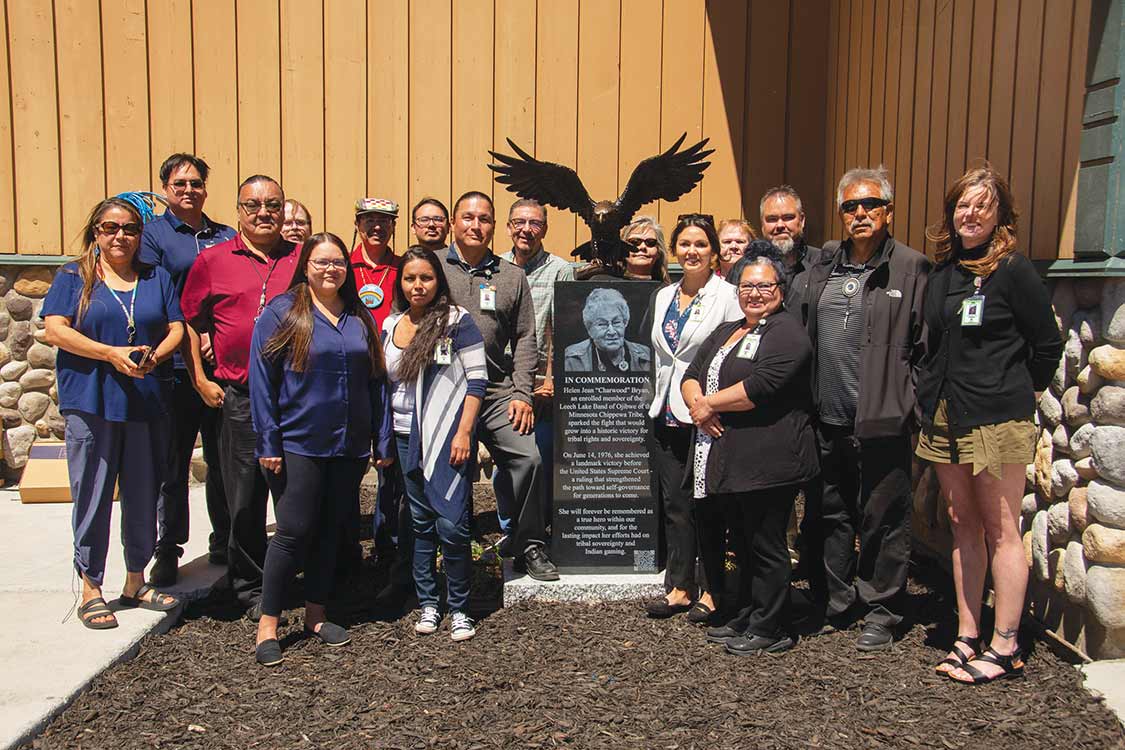
Fifty years after Russell and Helen Bryan challenged a county tax in a case that ultimately reached the U.S. Supreme Court, White Oak Casino commemorated their legacy and a landmark decision that helped define the limits of state authority in Indian Country and laid important legal groundwork for the modern Indian gaming industry.
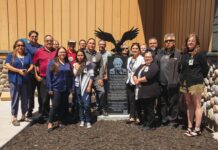
White Oak Casino unveiled a monument recognizing the 50th anniversary of Bryan v. Itasca County, the 1976 Supreme Court decision stemming from a dispute involving Russell Bryan and his family. The memorial, which features an image of Helen Jean (Charwood) Bryan, honors the determination of Russell and Helen Bryan and recognizes the lasting significance of the case.
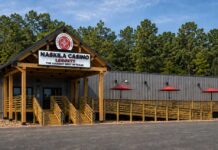
White Oak Casino, one of three casinos owned and operated by the Leech Lake Band of Ojibwe, is located in Deer River, MN, near where the events underlying the case occurred. Since opening in August 2000, the property has developed a close-knit team of longtime managers and front-line employees dedicated to serving its guests.
According to White Oak Casino, the idea for the commemoration began during a 2024 leadership training session, when members of the casino’s leadership team heard a suggestion that the Bryans and their contributions should be formally recognized. The casino’s guest service team embraced the idea and soon realized that June 14, 2026, would mark exactly 50 years since the Supreme Court issued its decision.
What followed was approximately a year of planning, research and coordination among casino leadership, employees, businesses, tribal members and the Bryan family. The result was a monument intended not only to recognize Russell and Helen Bryan, but also to help educate visitors about the significance of their case.
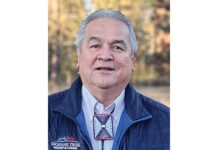
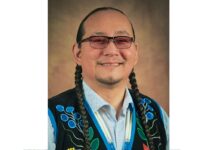
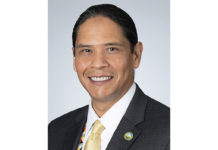
The June 14 dedication began with Spiritual Leader Andrew Jackson offering a blessing. White Oak Casino General Manager Phillip Johnson then spoke about the history behind the commemoration and the lasting impact of the Bryans’ fight for Indian Country.
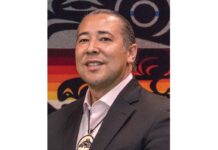
The Bryans’ granddaughter, Leech Lake Gaming Controller Breanna Miettinen, and grandson Corey Miettinen shared remarks on behalf of the family. Leech Lake Band of Ojibwe Chairman Faron Jackson Sr. also addressed those gathered, emphasizing the importance of recognizing elders and tribal members whose actions brought about lasting change.
At the center of the commemoration was a legal battle that began with a $147.95 personal property tax assessment but ultimately raised a much larger question about state authority in Indian Country. Russell Bryan, an enrolled member of the Minnesota Chippewa Tribe, challenged Itasca County’s authority to tax the mobile home where he lived with his family on trust land within the Leech Lake Reservation. After losing in Minnesota courts, Bryan took the case to the U.S. Supreme Court.
In a unanimous decision issued June 14, 1976, the Supreme Court reversed the Minnesota Supreme Court, holding that Public Law 280 did not authorize Minnesota to impose the tax on reservation Indians. In reaching its decision, the Court concluded that the law’s grant of civil jurisdiction was primarily intended to allow state courts to resolve private civil disputes involving reservation Indians, rather than subject reservations to broad state civil regulation.
The significance of the decision ultimately extended far beyond the Bryans’ individual dispute. Bryan v. Itasca County became an important precedent concerning the limits of state civil regulatory authority in Indian Country and was later relied upon by the Supreme Court in its landmark 1987 decision in California v. Cabazon Band of Mission Indians. The Cabazon decision, in turn, helped shape the legal landscape that led Congress to enact the Indian Gaming Regulatory Act in 1988, establishing the federal framework for tribal gaming.
For the White Oak team, however, the anniversary was also about remembering the people behind the precedent. The casino emphasized that Helen and Russell Bryan did not undertake the fight alone. Attorneys, including those with the Leech Lake Reservation Legal Services Project, now known as Anishinabe Legal Services, along with family members and the broader community, helped guide and support their efforts. White Oak’s team saw a parallel in its own work to create the memorial: an idea that required many people working together over the course of a year to become a reality.
For Johnson and the White Oak team, creating a place where visitors can learn about Bryan v. Itasca County was particularly meaningful given the local roots of the case. The memorial connects that history with a decision whose effects ultimately reached tribal nations across the country.
Half a century after the Supreme Court handed down its decision, the monument at White Oak Casino ensures that the story behind Bryan v. Itasca County remains visible – not simply as a landmark court case, but as the story of tribal members who were willing to stand their ground and a community that supported them.
For White Oak Casino, the 50th anniversary provided an opportunity to recognize Helen and Russell Bryan as heroes, educate visitors about their contribution to tribal sovereignty and preserve their story for generations to come.
For more information about White Oak Casino, visit www.whiteoakcasino.com.