

























by David Z. Bean
The November 3, 2026 midterm elections present multiple opportunities for Native candidates to make history. Minnesota Lieutenant Governor Peggy Flanagan (White Earth Band of Ojibwe) and former U.S. Representative Mary Peltola (Yup’ik) could become the first Native women elected to the U.S. Senate, harkening back to the historic 2018 midterms when then-candidates Deb Haaland (Laguna Pueblo) and Sharice Davids (Ho-Chunk) became the first Native women elected to serve in the U.S. House of Representatives.
In the coming midterms, Flanagan and Peltola join one of the largest classes of Native candidates in recent years running for federal office. The list includes three incumbents and the only Native representatives currently in Congress – Representatives Tom Cole (Chickasaw; Oklahoma’s 4th District), Sharice Davids (Ho-Chunk; Kansas’ 3rd District), and Josh Brecheen (Choctaw; Oklahoma’s 2nd District).
Three other Native candidates are running to join them in the House. In Arizona’s 2nd Congressional District, former Navajo Nation President Jonathan Nez secured a Democratic primary victory. The 2nd Congressional District covers northern and eastern Arizona and serves the largest population of Native Americans in the Nation – home to 14 of the state’s 22 federally recognized tribal governments. The two other candidates are Claire Valdez (Ysleta Del Sur Pueblo), who won her primary in New York’s 7th Congressional District, and Sean McCann (Citizen Band of Potawatomi), who won his primary to advance the general election to serve Michigan’s 4th Congressional District.
At the state level, former U.S. Interior Secretary Deb Haaland advanced as the Democratic nominee to serve as New Mexico Governor. She would become the first Native woman elected to serve as governor of any state. Dozens of other Native candidates are running for state offices up and down the ticket in the coming midterm.
These well-qualified candidates are weeks away from the general election, and for many of them, the Native vote could hold the key to their success. While the American Indian and Alaska Native population is a growing political force in the U.S., they continue to face consistent and unique barriers to voter registration and exercising their voting rights.
It is well documented that the first Americans were the last to access the right to vote. Native Americans were “granted” U.S. citizenship in 1924. For nearly 150 years before that day, throughout the 1800s and early 1900s, Congress enacted laws that abrogated Indian treaties, implemented the policy of forced removal, and enacted the allotment and assimilation policies that stole tribal homelands and took Native children from their homes, forcing them into federal boarding schools. All of this and more was done while American Indians had no vote and no voice in federal or state elections.
Despite passage of the Citizenship Act in 1924, many states continued to deny American Indians voting rights for decades. Even today, exercising the right to vote is an ongoing struggle in Native communities. The Native American Rights Fund’s 2020 “Obstacles at Every Turn” report highlights these barriers. Long distances to registration and polling locations, language barriers, voter ID laws, no internet access, poverty, and the lack of housing all pose barriers to Native voter registration and exercising the Native vote.
For example, voter registration systems in many states require a “physical address” to determine a person’s voting district. Many Native citizens lack traditional mailing addresses – no street names, house numbers, or mailboxes – that do not meet these requirements.
With the growing population, Native Americans hold potential to swing elections at every level. The American Indian/Alaska Native population in seven of the top 10 closest U.S. Senate races in the coming midterm elections exceeds the margin of victory in the four closest Senate races in 2024. That year, the Senate race in Pennsylvania came down to 0.2%, Nevada was decided by 1.7%, and Wisconsin and Michigan were both determined by less than one point (0.9% and 0.3% respectively).
With Republicans currently holding a 53-47 seat majority in the U.S. Senate, control will come down to results in 11 states: Alaska, Georgia, Iowa, Maine, Michigan, Montana, Nebraska, New Hampshire, North Carolina, and Ohio. However, to reach this untapped potential, Indian Country needs to overcome the barriers noted above. The fact remains that more than 1 in 3 Native Americans are not registered to vote, among the lowest voter registration rates in the U.S..
To ensure that the Native vote plays a major role in the 2026 midterms, Indian Country is working to help voters overcome the barriers to exercising their constitutional right to vote. The Indian Gaming Association, NARF, NCAI, local get-out-the-vote organizations, and many tribal governments are working to break down registration and voting barriers. Indian Country is recruiting young warriors to help organize their communities, informing citizens of their legal rights to register and vote, establishing on-reservation registration and polling locations, breaking down language barriers, and educating the public about what is at stake in the next election.
Elections have consequences. Indian Country should demand answers about where candidates stand on key issues relating to federal funding for vital programs designed to meet the government’s treaty and trust obligations, the basic treatment of Indian tribes as governments, and the existential threat that the actions of the Commodity Futures Trading Commission pose to tribal sovereignty, economies, and jobs.
Exercising our voting rights not only empowers our people and advances our future, but it also honors the sacrifices of our ancestors who fought to protect tribal sovereignty and our way of life. Your vote will ensure that we send people to Congress who understand tribal sovereignty and who have expressed a willingness to work with Indian Country.
We urge you to contact your local get-out-the-vote organization today and register to vote, and then develop a plan to exercise your right to vote. Learn about the candidates; attend candidate forums or help organize forums on your reservation; look up your local rules for early voting and mail-in voting; and volunteer to get your neighbors to the polls. Above all, get out and exercise your voice!
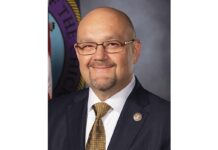
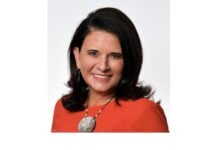
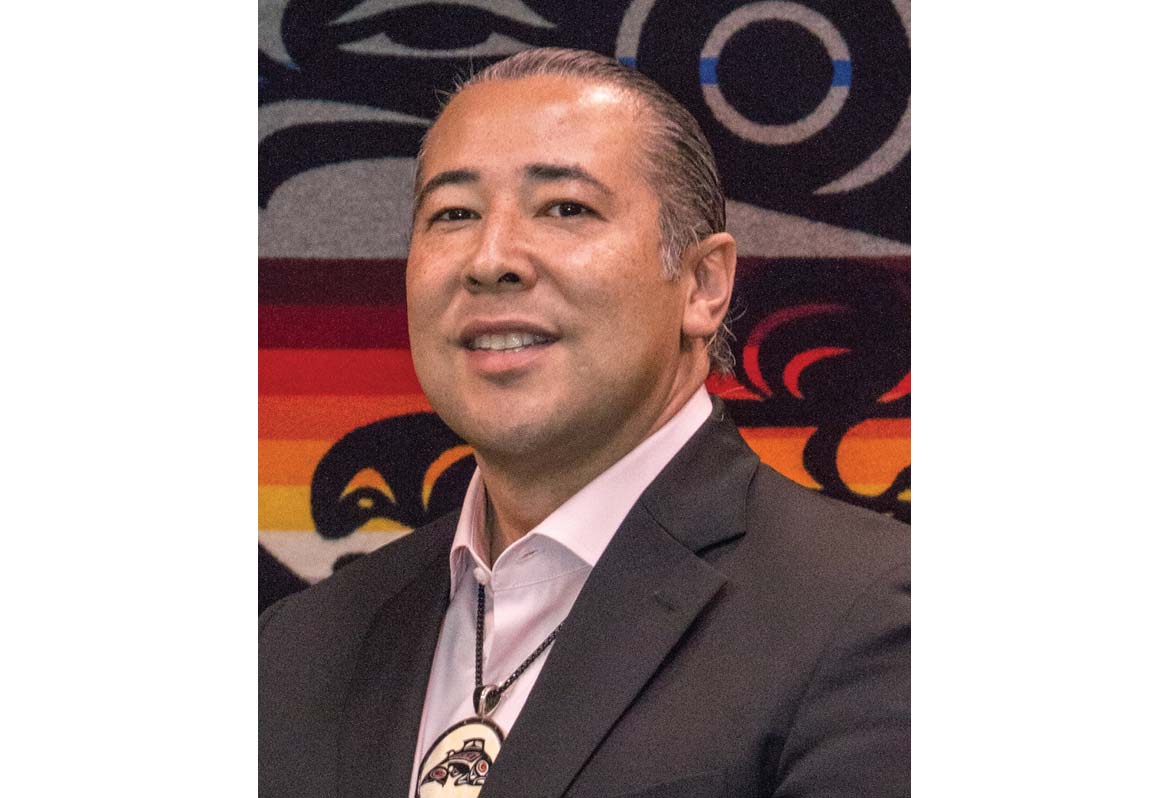
David Z. Bean is Chairman of the Indian Gaming Association. He can be reached by calling (202) 546-7711 or visit www.indiangaming.org.