











































by David Vialpando
The world of tribal-operated casino gaming has evolved from a predominantly land-based, locally defined enterprise into a technology-driven, globally dependent industry. This statement is true enough for brick-and-mortar casinos dependent on international suppliers, payment processors, and global providers of ancillary casino products, but even more so for tribal online gaming markets where the breadth and scale of gaming and associated transactions far transcends tribal jurisdictional borders. The contemporary tribal gaming regulatory agency (TGRA) must be equipped to navigate government and industry standards in a wide variety of regulatory areas such as licensing, anti-money laundering, game certification, payment processing, and privacy protection, just to name a few.
The International Association of Gaming Regulators (IAGR) specifically identifies cross-jurisdictional cooperation among regulators as increasingly important because gaming technologies, products, payment systems, operators, jurisdictional requirements, and regulatory risks routinely cross international borders. Internet gaming is a perfect example of this dynamic – a player may be located in one jurisdiction; an operator licensed in another; a gaming platform hosted in a different country; payment processing conducted through institutions in multiple jurisdictions; software developed in yet another country; and digital assets and data transmitted through international networks.
Historically, tribal gaming regulation has been grounded in tribal sovereignty, self-determination, jurisdiction over Indian lands, and the federal framework established by the Indian Gaming Regulatory Act (IGRA). To preserve tribal sovereignty, TGRA collaboration on the global stage should not be viewed as an abdication of tribal regulatory authority, but rather as an extension of effective tribal regulation, allowing a TGRA to obtain information, develop expertise, identify emerging threats, and cooperate with other regulators while preserving a tribe’s sovereign authority and the TGRA’s independent regulatory authority.
The first international challenge for TGRAs typically occurs in suitability determinations for licensing. When tribal casinos seek to hire employees from foreign countries, TGRAs may need to contract with background investigation providers that have access to government agencies and criminal justice systems in those countries or develop their own international contacts and resources. Language barriers and federal legal status to work in the U.S. are TGRA considerations for foreign gaming license applicants. Licensing foreign-based vendors frequently requires developing proficiency in corporate structures, regulatory requirements, legal considerations, and testing standards in countries outside the U.S. Language differences can present communication challenges in conveying TGRA regulatory requirements and internal control standards to ensure compliance in tribal jurisdictions.
In ensuring TGRA regulatory compliance, online gaming serves as an excellent example of the potential challenges confronting the tribal gaming regulator. These challenges may include:
- Gaming components physically located outside the TGRA’s licensing jurisdiction.
- Patrons using a payment account maintained in another country.
- Accessing software developed by an international gaming supplier.
- Using a cryptocurrency or international payment intermediary.
- Communicating with customer-support personnel located overseas.
- Participating in gaming activity creating legal consequences in several jurisdictions simultaneously.
Essential to the success of tribal gaming operations leveraging international resources, vendors, and foreign-based personnel is the TGRA’s cultivation of collaborative relationships with foreign-based gaming regulators to facilitate information exchange, technical assistance, coordinated investigations where legally permissible, and mutual understanding of regulatory risks. One dynamic that can present challenges for gaming regulators is crime perpetrated upon casino patrons located on tribal lands by individuals located in foreign jurisdictions. Determining the appropriate venue for prosecution can frustrate attempts to hold criminal suspects accountable. This is a circumstance where international collaboration among regulators can yield positive results. Concerns among gaming regulatory agencies across jurisdictional boundaries include:
- Suspicious operators
- Unsuitable individuals
- Fraudulent gaming schemes
- Compromised technology
- Problematic gaming suppliers
- Money laundering typologies
- Emerging-threat intelligence and cybercrime
- Illegal online operators
- Regulatory enforcement actions
Differences in applied standards in various areas of concern for TGRAs can present challenges in ensuring regulatory compliance. The areas where different standards may apply include identity and age verification, anti-money laundering requirements, responsible gaming initiatives, and patron information privacy precautions.
Patron personal identifying information privacy protections differ from country to country. In Europe, gaming operators must comply with General Data Protection Regulations (GDPR). No single federal privacy law exists in the U.S., with each state establishing its own guidelines and regulations. An example of this is California’s Consumer Privacy Act. TGRAs regulating casino gaming reliant on international partners must be familiar with regulations governing the conduct of foreign-based entities and ensure that foreign-based entities operating on tribal lands understand regulatory requirements within that jurisdiction.
Another area of concern for TGRAs is anti-money laundering (AML) requirements and internal controls established to track monetary transactions. Over 200 jurisdictions in the world apply the International Anti-Money Laundering Standards established by the Financial Action Task Force (FATF). The U.S. enforces similar standards through the Financial Crimes Enforcement Network (FINCEN). AML standards in Europe must comply with Anti-Money Laundering Regulations (AMLR) and the Anti-Money Laundering Authority (AMLA).
The independent testing laboratories (ITL), with whom all TGRAs are familiar, certify land-based and online gaming systems and ancillary components around the world. ITLs must meet uniform global standards established by the International Organization for Standardization (ISO) and the International Electrotechnical Commission (IEC) for testing and calibration, performing independent inspections, and certifying products, processes, and services. TGRA regulators must be familiar with gaming system certification standards within the jurisdictions where their vendors operate and ensure that those standards meet the requirements outlined in the TGRA’s regulations and internal controls.
International collaboration among casino gaming regulators and the prominence of TGRAs establishing industry best practices is evident at global industry conferences. Representatives from the Indian Gaming Association (IGA) and the National Tribal Gaming Commissioners and Regulators association can be found conducting presentations at G2E, ICE in Barcelona, IAGA, and at SBC Summits around the world. Likewise, gaming regulators from jurisdictions outside the U.S. attend IGA training symposiums and similar conferences across the U.S.
The industry is trending towards a borderless gaming environment where the next generation of gaming regulation will increasingly involve technologies that challenge traditional jurisdictional concepts. The goal for TGRAs should be to expand their world view of gaming regulation and establish a collaborative network of international counterparts to prepare for a future where the casino gaming world will feel even smaller than it does today.
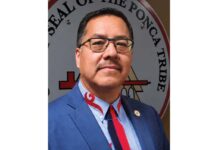
David Vialpando, MBA is Executive Director of the Pala Gaming Commission, Vice-Chairman of the Tribal Gaming Protection Network and author of the book, Fundamentals of Tribal Casino Gaming Regulation – A Primer for Regulators. He can be reached by calling (760) 201-7088 or email [email protected].