











































by David Z. Bean
Over the past few weeks, Indian Country has been on the ground in Washington, D.C., meeting face-to-face with decision-makers at a critical time for our industry. These were not routine visits. They were focused, direct conversations about protecting tribal sovereignty, defending what we have built, and making sure our voice is heard where it matters most.
We met with members of the U.S. Senate, House of Representatives, and key congressional committees. We also met directly with the Commodity Futures Trading Commission to ensure that tribal concerns were heard at the agency’s highest level. In addition, we participated in broader policy discussions shaping how gaming will be viewed at the national level. In every room, the message was clear and consistent:
Tribal gaming is not just an industry. It is a government function rooted in sovereignty, supported by law, and carried out with a level of regulation and accountability that has taken decades to build.
At the center of these conversations is the growing concern about prediction markets that blur the lines between investing and gambling and their lack of regulation by the Commodity Futures Trading Commission (CFTC). What is being presented as a financial product has very real implications for gaming. It raises serious questions about whether existing laws and regulatory systems will be respected moving forward.
One of the most important parts of our time in D.C. was simply telling the truth about who we are and how tribal gaming works. Many lawmakers are still learning the history. We talked about the Indian Gaming Regulatory Act of 1988 and what it established. We explained how tribes, states, and federal regulators each play a role in protecting the integrity of tribal government gaming, consumers, and vital revenue that it generates for tribal communities. We walked through the evolution of gaming from its early days to where we are now. Those conversations are a difference maker.
Members of Congress asked real questions. They wanted to understand how gaming revenue supports tribal governments, creates jobs, and impacts surrounding communities. We were able to explain the broader economic effect, how a visit to a tribal casino often supports small businesses, restaurants, and services in nearby towns. Because of Indian gaming, tribal governments are often the top employers in rural communities across the U.S.
That kind of understanding does not happen unless we show up and speak for ourselves. The concerns we raise in every meeting are straightforward.
Prediction markets, as they are being advanced today, are operating outside the framework that tribes and states have relied on for nearly 40 years. That framework exists for a reason. It protects both consumers and American sports. It ensures fairness. It keeps bad actors out. It allows tribal governments to use gaming revenue to support housing, education, healthcare, and public safety.
When something comes in and tries to bypass that system, it does more than create competition. It weakens the rules that everyone else has followed. This is not just about tribes. It affects states as well. Both tribal and state governments that permit online sports betting have built regulatory systems that work. Many more tribes and states have decided to prohibit online gambling as it is too great a risk to young people and those with addiction. When those systems and those local decisions are ignored or sidestepped, everything is at risk. Right now, the most important thing we can do is educate.
That starts in Washington, D.C., but it does not end there. Every meeting with a senator, every conversation with a member of Congress, every discussion with a regulator, including our direct engagement with the CFTC, is an opportunity to explain what is really happening.
We have to be clear about the difference between regulated gaming and what is proposed under prediction markets. We have to talk about the safeguards tribes have in place and why they matter. We have to explain what happens when those safeguards are absent. This effort also includes making sure tribal voices are part of the formal process. Tribes are being encouraged to submit comments on federal proposals and to stay engaged as these decisions move forward. Just as important, tribal leaders need to stay in contact with their own congressional delegations. No one can tell our story better than we can.
This is not something any one tribe can take on alone. There has been a strong push for collaboration across Indian Country. Whether a tribe operates a casino or not, this issue touches on sovereignty. That alone makes this issue important to everyone.
We are also seeing alignment with state governments and regulators. In many cases, tribes and states are standing on the same side of this issue. That is not always the case, but here it matters. Both have a shared interest in protecting their authority and making sure the rules are followed. We are also working with industry partners who understand the importance of maintaining a fair and regulated system. When we speak together, the message carries further.
This issue is not limited to gaming, and tribes should not treat it that way. There is a growing need for tribal leaders to reach beyond traditional partners and engage directly with senators and representatives from agriculture and rural states. These lawmakers sit on key committees and have influence over the very agencies and policies shaping this issue.
Ranchers, farmers, and rural communities rely on the CFTC for stable, transparent markets. They understand the importance of clear rules and strong oversight. That perspective aligns more closely with tribal gaming than many may realize.
Tribes should be reaching out, setting meetings, and making the connection clear. This is about protecting systems that work, whether in gaming or agriculture. It is about pushing back on federal agency overreach and ensuring that agencies do not undermine established frameworks.
When those conversations happen, it broadens the coalition. It brings in voices that may not have been part of this discussion before, but who understand the risks and are willing to stand alongside us.
There is another piece to this that cannot be overlooked. People need to stay engaged and be part of the process. That includes reaching out to elected officials, staying informed, and most importantly, voting. Who represents you matters. The decisions being made today will shape the future of tribal gaming for years to come. Supporting leaders who understand tribal sovereignty and respect the existing framework is critical. This is not about party lines. It is about protecting what works and making sure it is not replaced by something that puts our communities at risk.
The work we did in Washington is only part of the effort. There is more ahead. We will continue to educate. We will continue to build partnerships. We will continue to show up and speak for Indian Country. This is about protecting something that has taken decades to build. It is about making sure that future generations have the same opportunities that tribal gaming has created for our communities today.
We have faced challenges before, and we will face them again. What matters is how we respond. Right now, the path forward is clear. Stay united. Stay engaged. Keep telling our story.
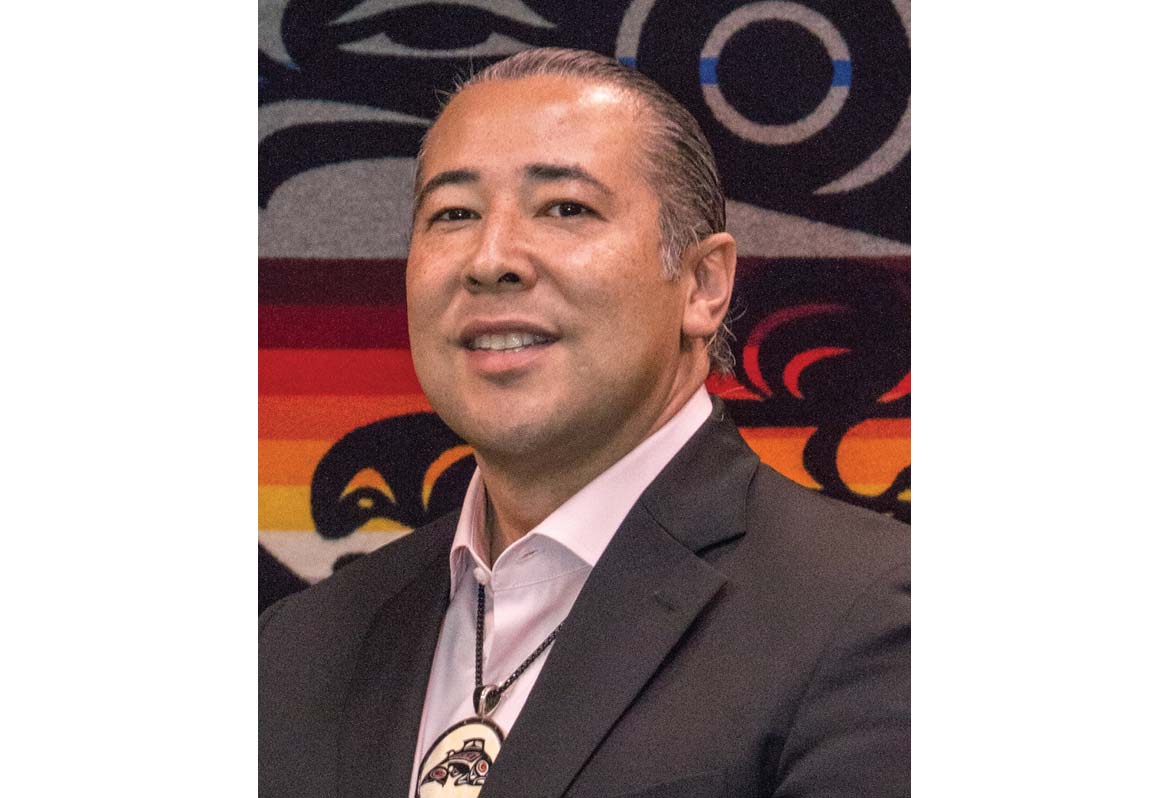
David Z. Bean is Chairman of the Indian Gaming Association. He can be reached by calling (202) 546-7711 or visit www.indiangaming.org.