












































by Jay Hearn
Electric vehicle (EV) adoption is accelerating, and tribal casino operators are increasingly weighing whether to add Level 2 or DC fast charging to support guests, employees, and the traveling public. For many properties, charging amenities can attract new patrons, increase length of stay, and open doors for government grants or utility-funded programs, as well as invest in environmental sustainability. Yet, as with all critical infrastructure, EV charging carries technical, safety, and operational risks that must be addressed. A casino environment adds unique factors: 24/7 operations, heavy vehicle traffic, revenue accounting requirements, and the need to protect guests and assets on sovereign land. The question is not only whether chargers can be installed, but whether the casino is fully prepared to operate them safely and reliably for years.
Following is a practical examination of readiness and the key safety concerns casinos should address – along with mitigation steps that accommodate real-world operations.
Electrical and Fire Safety
The most-discussed EV safety risk is vehicle battery fire. Although statistically rare, a lithium-ion battery fire is a high-heat, long-duration event. These fires can reignite after appearing extinguished and often require extended cooling and scene control. This can create smoke exposure near entrances, traffic rerouting, and public concern. Chargers should be placed away from main doors, loading docks, and building air intakes. Parking stalls should allow responding fire vehicles direct access and avoid chokepoints near valet areas. Bollards can protect chargers from impact and cameras provide early detection for smoke or arcing.
EV service equipment must comply with the National Electrical Code (NEC Article 625) or the tribal equivalent. Overcurrent protection, ground-fault detection, and listed equipment (UL or ETL) are non-negotiable. Because EV chargers pull significant power, casinos should request a load study from a qualified engineer to avoid nuisance trips or overheating of conductors. In cold or wet climates, charging pedestals and cables must be outdoor rated, properly sealed, and elevated above splash zones. Routine thermographic scans and torque checks reduce the risk of loose connections or arcing over time.
Traffic, Pedestrian, and ADA Safety
Casinos often see dense parking and constant movement of guests, rideshare vehicles, delivery trucks, and buses. Poorly placed chargers can create congested areas and increase the risk of vehicle-pedestrian conflict. Chargers should not be installed directly in front of the main entrance where guests congregate. They should be placed slightly offset from the primary entry path but still within sight of surveillance cameras and lighting. Wheel stops and bollards prevent drivers from striking the equipment, and clear pavement markings discourage non-EV cars (ICEing) from blocking stalls. A posted idle-fee policy can encourage turnover without creating customer frustration.
Chargers should meet ADA guidance for access aisles, reach ranges, and barrier-free paths. This is important not only for compliance, but for guest experience: guests with mobility impairments should not need to step into traffic or stretch heavy cables over obstacles.
Environmental and Site Conditions
Many tribal casinos are in areas with heavy rain, snow, heat, or flooding risk. Chargers must be located on stable, drained surfaces with proper grading so water does not pool around pedestals or conduit. Heating or snow-removal equipment should be routed so plows do not strike charging equipment or leave cable trenches packed with ice. In high-heat deserts, shading structures or solar canopies protect chargers and provide comfort to guests.
If a vehicle fire occurs, firefighters use large amounts of cooling water. Casinos should coordinate with tribal environmental departments to ensure runoff does not contaminate storm drains or sensitive areas. Spill kits, shutoff valves, and pre-incident planning help avoid larger environmental problems during an emergency.
Cybersecurity and Payment Risks
Modern chargers are networked computers that handle payments, user data, and remote software updates. Casinos should require equipment that uses encrypted communications, signed firmware, and modern networking standards like OCPP 1.6 or 2.0.1 over TLS. Unsecured chargers can be exploited to steal credit card data, pivot into sensitive networks, or disable equipment. Network segmentation – keeping charging systems separate from gaming, surveillance, slot management, or hotel networks – is a crucial defense. Chargers should display price per kilowatt-hour or per minute, plus any idle fee after charging ends. Receipt options by text or email reduce disputes. Physical tamper checks on card readers help prevent skimmers.
Operational Reliability and Guest Service
A charger that is often broken is worse than having no charger at all – it disappoints guests, harms the casino’s brand, and can create safety hazards as drivers attempt to reposition vehicles or stretch cables. Casinos should negotiate uptime service-level agreements (SLAs), such as 97–98% availability, with defined response times for repair. Keep a small inventory of common spare parts: cable assemblies, screens, and contactors. Remote monitoring allows operators to reset chargers, push patches, and diagnose issues before guests complain.
Staff training is essential. Front-line employees, security, and facilities staff should know how to identify faults, safely shut down a charger, contact the vendor network operations center, and assist guests. Even simple scripts – what to say when the charger is occupied, broken, or showing an error – make a strong impression.
Jurisdiction, Codes, and Liability
Tribal casinos operate under sovereign authority. Some tribes adopt NEC and International Building Code equivalents; others maintain their own codes and inspection regimes. Casinos must define who inspects and certifies EV equipment and who leads investigations if an incident occurs. Mutual aid agreements with local agencies can clarify roles during emergencies. Insurance should explicitly cover EV charging equipment, vehicle fires, environmental cleanup, and cyber incidents.
Written standard operating procedures (SOPs) and a one-page incident response plan help staff respond quickly and consistently. Steps should include isolating the charger, notifying casino security and fire/EMS, protecting guests, documenting the scene, and contacting the vendor and insurer.
Required Technical Specifications
Before signing contracts, casinos should set minimum requirements:
- UL-listed or NRTL-listed EV service equipment
- NEC 625–compliant installation
- Dual-standard connectors (CCS and NACS) on DC fast chargers; J1772 on Level 2
- Emergency stop and lockable disconnects
- Bollards, cable management, and clear signage
- Remote monitoring, secure firmware updates, and diagnostic data
- PCI-compliant payments and roaming support
- ADA-accessible stall design and lighting
- Dynamic load management
- Quarterly preventive maintenance and annual thermography
EV charging can be a highly visible amenity benefiting casino patrons and employees and represents an investment in tribal infrastructure. But readiness is more than pouring concrete and plugging in a pedestal. Real readiness means safe sitting, code-compliant installation, cybersecurity, ongoing operations, and a practiced emergency response. When these elements are addressed, EV charging becomes a low-risk, high-benefit asset that brings new guests, supports employees, and positions the casino as an environmentally responsible modern travel hub located on sovereign land.
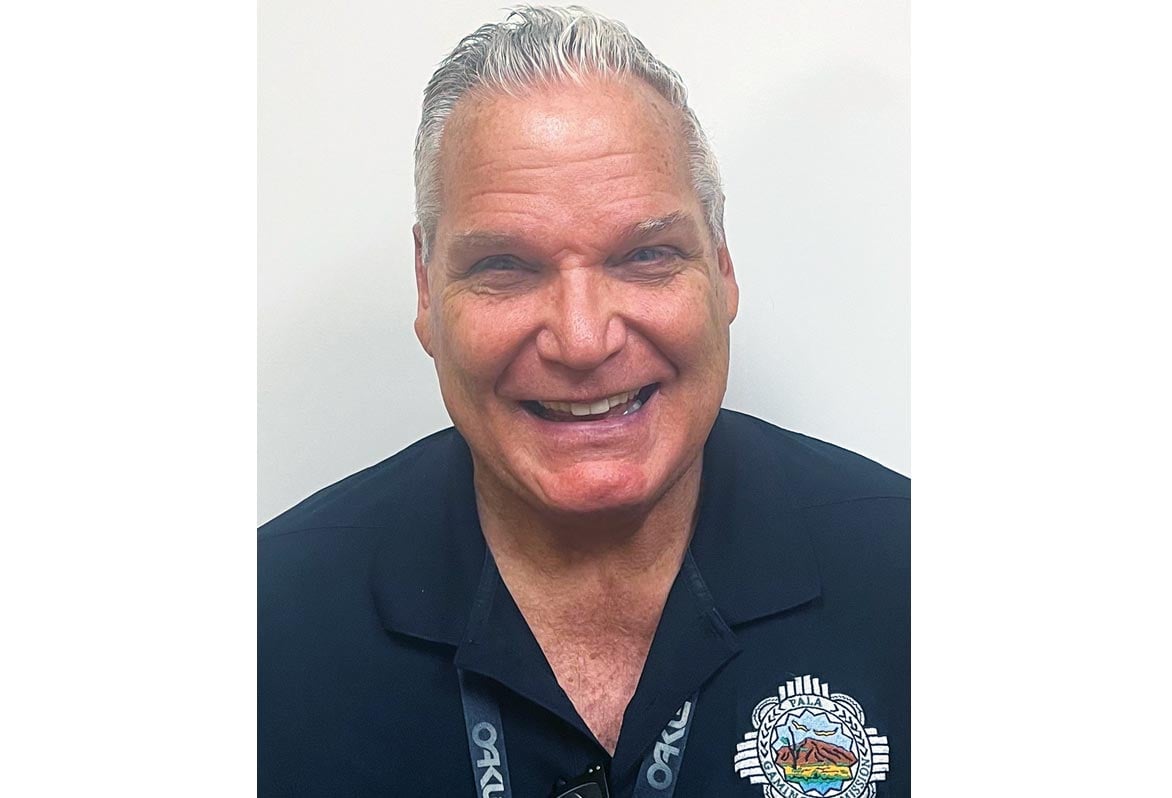
Jay Hearn is Compliance Inspector of the Pala Gaming Commission. He can be reached by calling (760) 510-4556 or email [email protected].