












































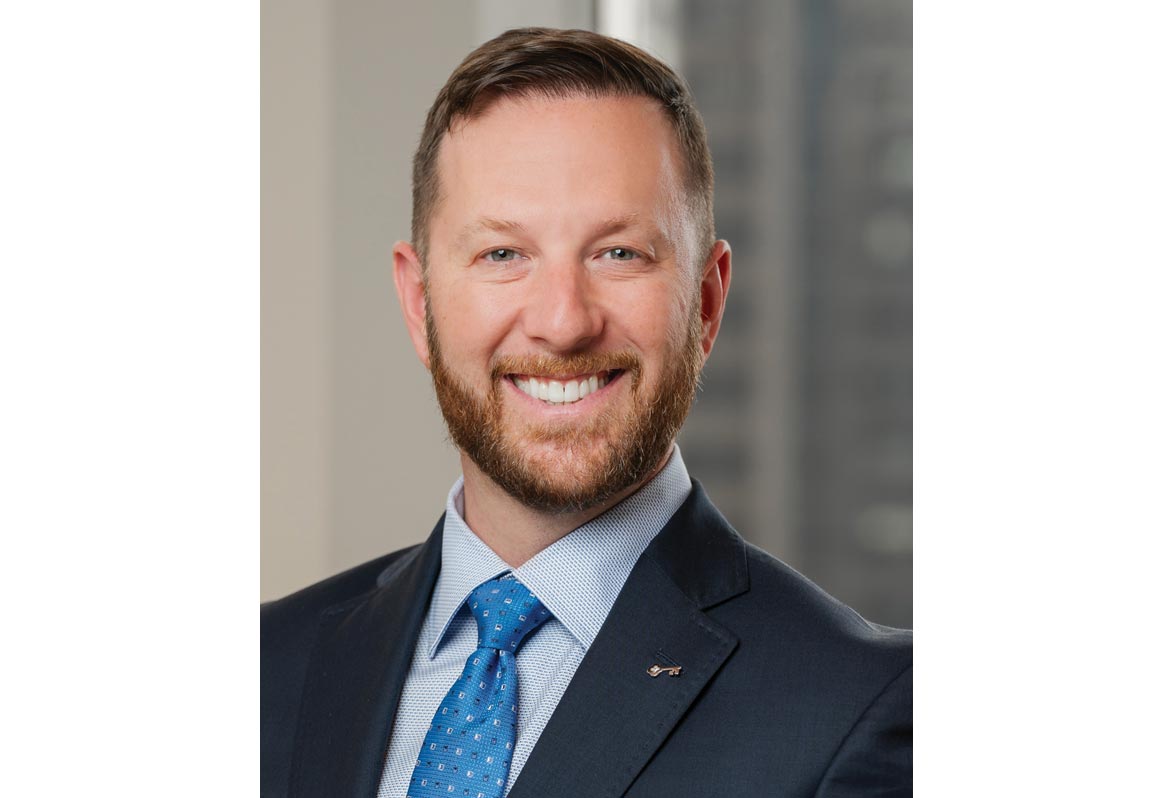
With over 21 years of experience working alongside tribal governments and their enterprises, Ben Rechkemmer brings deep expertise in structuring financing solutions that support tribal economic development. He’s known for a thoughtful approach to lending, respect for tribal sovereignty, and a commitment to helping Native communities achieve long-term financial success. Rechkemmer has worked on a wide range of transformative projects – from healthcare facilities to schools and community centers – and continues to be a trusted advisor to tribal leaders across the country.
What qualities or factors make a tribal government or enterprise a strong candidate for large-scale financing?
When considering the 5 C’s of credit, lenders typically evaluate several key factors. Character is an assessment of a borrower’s credit history and track record of repaying debt, as well as management’s credibility. Capacity is the borrower’s ability to repay debt through cash flow, debt service coverage, and financial performance. We spend a lot of time analyzing free cash flow and financial trends in making a loan decision. Capital represents amount of equity in a project or a borrower’s access to unencumbered liquidity to support a project or loan. Collateral involves assets or revenues that can be pledged to secure the financing.
Positive financial trends are important, as well as a strong balance sheet with ample liquidity and low leverage. Having up-to-date financial audits is important as some tribes have experienced delays with the annual audit cycle since the pandemic. For lenders, a comprehensive business plan coupled with a strategic framework for project development and debt management is key. When it comes to constructionprojects, experienced management and leadership with a coordinated strategy are important for successful large-scale financings, especially for construction projects that span multiple years.
Can you describe how financing is typically structured for large projects like casino resorts or mixed-use developments in Indian Country?
Commercial financing structures are highly customizable and unique products, but some structures are common across the industry. Casino resorts often use bank loans structured as a limited recourse obligation secured primarily by revenues of the casino business. Multi-draw credit facilities with construction-related covenants have become common in the bank market. A mixed-use development could be financed with traditional construction financing backed by a general obligation pledge or a tax revenue pledge.
Are there differences in how collateral or security interests are managed for tribal projects versus other types of commercial loans?
Yes, definitely. Tribes have sovereign immunity from being sued and operate primarily on trust land that cannot be pledged as collateral. This creates several legal nuances that make financing tribal projects much different from financing commercial projects. Most financings include a waiver of sovereign immunity so that loan documents can be enforced in a designated court jurisdiction. It is also important to carefully choose the legal jurisdiction and dispute resolution process. And when it comes to filing of perfection and security interests, tribal projects follow different rules than typical commercial loans – so working with legal experts in Indian law is a must.
How have rising interest rates and increased material costs affected lending activity in Indian Country?
I have seen projects delayed or paused due to higher interest rates and increased costs, and some projects were scaled back or phased. But interestingly, there was more lending activity in 2025 as compared to 2024 and 2023. Although uncertainty remains with the macroeconomic environment, I think an elevated pace of lending activity for tribal projects will continue unless something unforeseen occurs with the bank and capital markets. While interest rates and material cost inflation are slowing, I believe total projects costs will remain elevated compared to pre-pandemic levels.
How can tribes best position themselves to secure favorable financing for major development projects?
Whether tribes are relying on their internal management team, or third-party advisors, having a strategic and organized process is key. Providing a detailed package of financial information, projections, project budgets, and diligence items to potential lenders helps expedite the credit request process for tribes. Establishing a timeline for critical project milestones can ensure that financing is secured in time to accommodate construction schedules. Tribes often run a process, seeking proposals from numerous lenders to determine market terms, and then compare the financing options and alternatives to determine the best financing solution. Aside from a strategic process, I would encourage tribes to rely on their relationships with lenders, financial advisors, and law firms for advice.
What advice would you give to tribal leaders seeking to finance a smaller expansion project?
Tribal leaders should explore all their options, learn from other tribes, consult their relationship banks, and seek assistance from a financial advisor. While lenders may evaluate a smaller financing to arrive at a decision, they may not have the time or capacity to suggest alternatives. A financial advisor can assist tribal leaders in identifying creative options and alternatives. Also, there is creative financing activity taking place through Community Development Financial Institutions (CDFIs). There’s some innovative financing happening there that could be a great fit.
Can you share some examples of tribal projects KeyBank has financed that have had a transformative impact for their communities?
We’ve been honored to assist our tribal partners with some important projects that I hope will have a transformative and positive impact. We’ve assisted with a long-term care and skilled nursing facility, a large middle and high school campus, and a tribal project that included a large community center and elder housing.
Do you foresee changes in federal or state policy that could significantly impact tribal lending?
I am hopeful. Recently I spoke with staff members from the Senate Committee on Indian Affairs regarding challenges with the Tribal Energy Loan Guarantee Program and best practices for the evaluation of tribal loans, so I’m optimistic there will be positive changes for tribes at the Federal level. I am also hopeful for the Tribal Tax and Investment Reform Act of 2025 that could eliminate the essential government function test and establish parity with state and local governments regarding the ability of tribes to issue governmental bonds. This would open more tax-exempt financing for tribes in a very substantial way.
What has your experience been like helping tribes find financial solutions?
I’ve been very fortunate to work with and learn from tribes over the last 20 years. It’s been a deeply rewarding career. I recently heard a tribal leader state that “economic sovereignty is tribal sovereignty” and I think that’s a great guiding principle for anyone assisting tribes with financing or projects.
For more information about KeyBank’s Native American Financial Services, visit key.com/nativeamerican.