

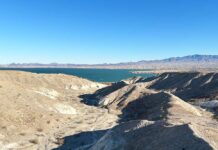
































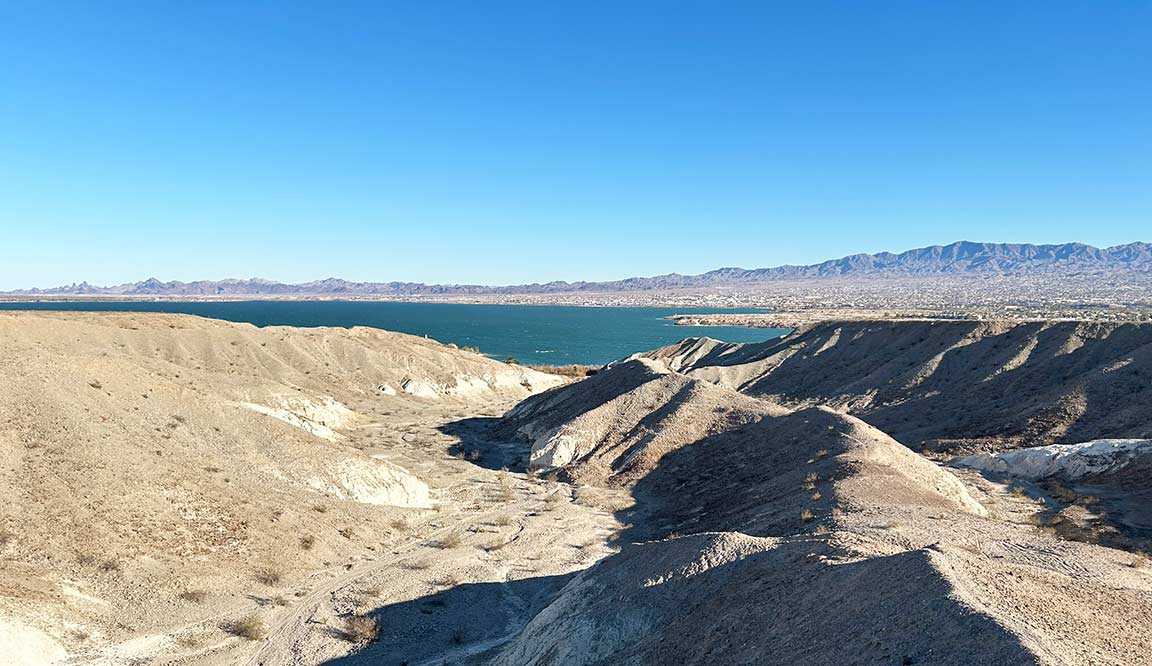
HAVASU LAKE, CA – The Chemehuevi Indian Tribe is proposing a 50-year transformation of its 34,000-acre reservation on the California side of Lake Havasu, with plans for new housing, businesses, education, transportation, recreation and tourism development while preserving culturally and environmentally significant land. The tribe’s master plan for the project is organized around social, physical and emotional well-being and divides the reservation into four zones based on the land’s geography and proposed uses.
The Echo, located within the Chemehuevi Mountains, emphasizes conservation while allowing for projects including medical offices, an industrial facility, improvements to Chemehuevi Valley Airport and an emergency evacuation site. The Basin would serve as the center of much of the new development, with housing, schools, government and civic buildings, cultural spaces, sports and recreation facilities and a town center organized in concentric circles inspired by Chemehuevi woven basket traditions.
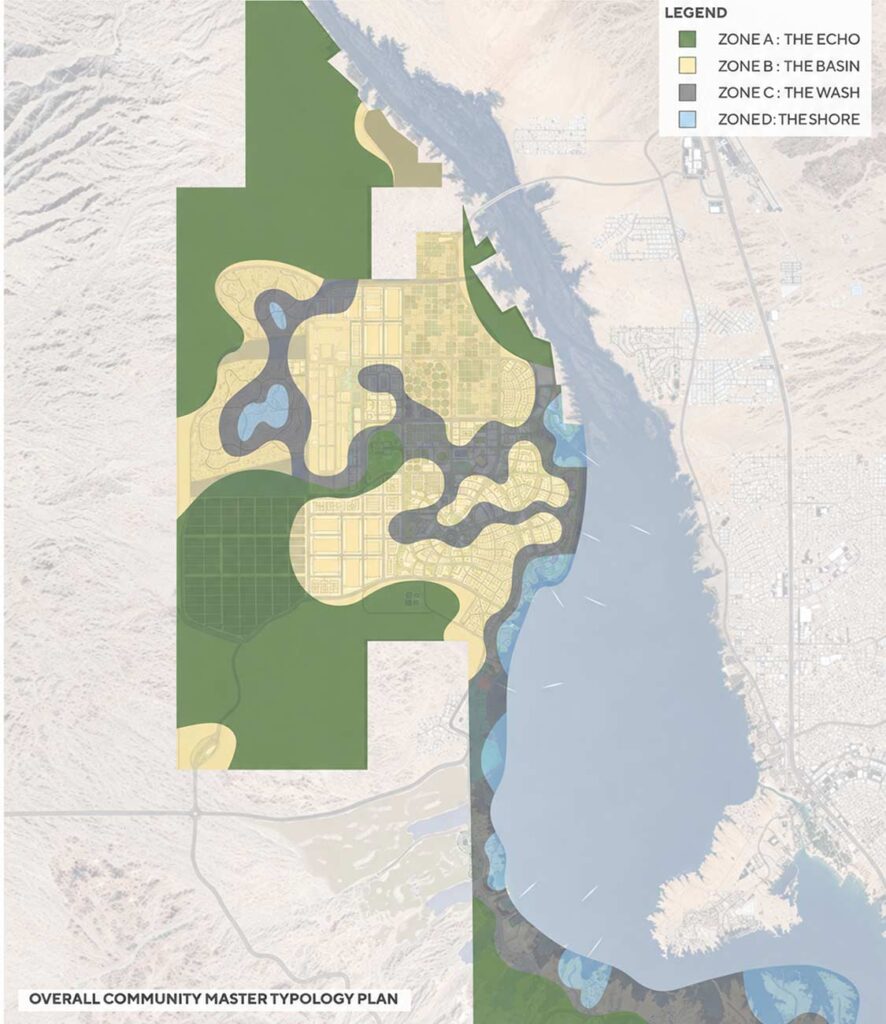
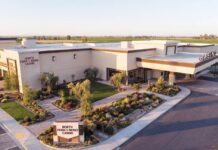
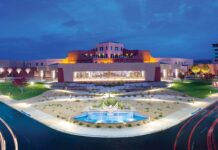
The Wash would connect areas of the reservation through open spaces, drought-tolerant native landscaping, tree canopies, parks and event lawns while helping manage stormwater runoff. Along Lake Havasu, The Shore would focus on tourism and recreation, including plans to transform an existing casino into a yacht club and develop restaurants, bars, hotels and additional marina facilities.
Agriculture is also a component of the plan. Original farmland along Lake Havasu was covered by a dam, leaving existing soil difficult to cultivate. The plan proposes restoring approximately 2,000 acres in the northern and western portions of the town center for agriculture, renewable energy and water storage. Sacred sites, ancestral rock art, steep mountain terrain and natural washes are identified for protection and limited development.
Transportation improvements would include work at the intersection of U.S. Route 95 and Lake Havasu Road, additional marinas and a proposed north-south ferry route. Plans also call for expanding Chemehuevi Valley Airport to accommodate additional private, commercial and freight flights.
Currently, students living on the reservation travel about 45 minutes by bus to school on desert roads. The master plan proposes adding kindergarten through sixth-grade and junior high school campuses within walking distance of residential areas. The new educational facilities could also support mentorship programs and apprenticeships with local businesses.
Tourism development would be concentrated along the California side of Lake Havasu, where the plan calls for new mixed-use hospitality and recreational development. Commercial and hospitality projects are also intended to create jobs and opportunities for Chemehuevi tribal members to establish businesses and participate in the reservation’s economic growth.
New housing would include short-term rentals for seasonal workers, tribal rental, for-sale and affordable housing, ranchettes and multigenerational housing clusters. The tribe would retain ownership of the land, with the potential for outside commercial developers to build on leased parcels.
Construction of the first project under the master plan is expected to begin in 2027.