





































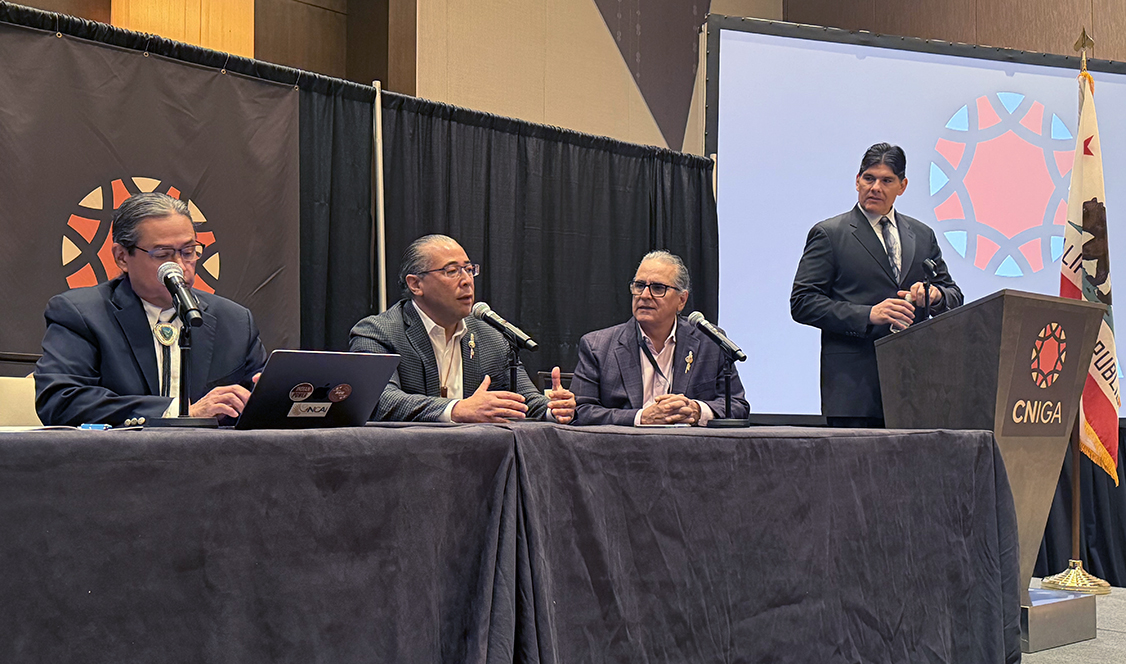
TEMECULA, CA – The Indian Gaming Association (IGA), alongside tribal leaders and national organizations, issued a unified call to action at the 29th Annual Western Indian Gaming Conference hosted by the California Nations Indian Gaming Association at Pechanga Resort Casino. IGA representatives condemned illegal prediction markets enabled by actions of the Commodity Futures Trading Commission (CFTC) under the current federal administration, describing them as a direct assault on tribal sovereignty, federal law, and lawful gaming.
The conference featured a three-part series titled “Betting Without Permission: The Existential Threat of Prediction Markets on California Tribal Gaming,” examining the legal, regulatory, and sovereignty implications of prediction markets and their growing threat to tribal and state-regulated gaming.
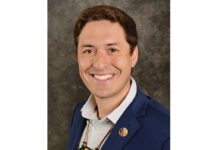
The opening session was presented by Victor Rocha, Conference Chairman for IGA, who warned that federal regulators are attempting to authorize nationwide gambling activity without tribal consent, state authorization, or congressional approval. Tribal leaders and legal experts emphasized that tribal gaming exists within a carefully negotiated legal framework grounded in federal law, tribal-state compacts, and voter approval.
“The CFTC is being used as a vehicle to authorize nationwide gambling without tribal consent, without state authorization, and without congressional approval,” Rocha said. “This is federal overreach at its most dangerous. Tribal gaming exists because of negotiated agreements, federal law, and voter approval. Prediction markets attempt to erase that structure through unilateral federal action. Indian Country will not accept that.”
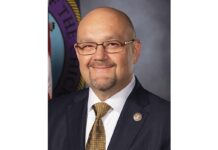
The second session, “Defining the Threat: When Gambling Is Recast as a Financial Product,” was moderated by Jason Giles, IGA Executive Director, and featured legal and regulatory experts Joseph Webster of Hobbs Strauss and Michael Hoenig, VP and Associate General Counsel for Gaming at Yuhaaviatam of San Manuel Nation. Panelists outlined how prediction markets are attempting to bypass tribal and state authority by improperly redefining sports wagering as financial trading, allowing unlicensed and unregulated platforms to operate outside established legal frameworks and consumer protections.
“These illegal prediction markets are a deliberate attempt to circumvent tribal sovereignty and federal law,” said Giles. “By allowing these platforms to operate, federal regulators are undermining decades of federal Indian policy and enabling unlawful gaming activity nationwide. Tribal nations will not stand by while sovereign authority is ignored and lawful gaming is threatened.”
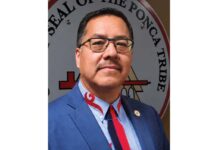
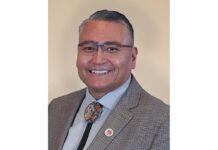
The final session, “The Case for Unified Action: How Tribes Fight Back,” featured Indian Gaming Association Chairman David Z. Bean and National Congress of American Indians President Mark Macarro, focusing on the coordinated national response underway across Indian Country and among industry and government partners.
Prediction markets have rapidly expanded into a multibillion-dollar unregulated industry operating outside established tribal, state, and federal gaming law, while tribal governments continue to uphold one of the most rigorous regulatory systems in the world. Tribal gaming generated $43.9 billion in revenue through 2024, supporting essential government services, healthcare, education, infrastructure, and economic development for tribal nations.
Chairman Bean made clear that Indian Country is mobilizing to confront this threat through coordinated legal, legislative, and regulatory action.
“Illegal prediction markets are exactly what they sound like: illegal, unregulated online sports betting that operates outside federal and state law,” said Bean. “Actions by the CFTC under this administration are enabling an unlawful end-run around tribal governments, state regulators, and Congress itself. This is not innovation. This is illegal gambling, and it represents a direct attack on tribal sovereignty and the rule of law.”
Bean emphasized that IGA and its member tribes are actively working with state governments, attorneys general, members of Congress, and national gaming organizations, including the American Gaming Association, to stop these unlawful activities and restore proper regulatory oversight.
“We are building a unified national coalition to confront this threat,” said Bean. “Tribes, states, and our industry partners are standing together to defend lawful gaming and protect our sovereign rights. We will use every legal, legislative, and regulatory tool available until these illegal prediction markets are stopped.”
As the national organization representing tribal gaming interests across the U.S., the Indian Gaming Association is leading coordinated efforts with tribes, the National Congress of American Indians, states, and gaming partners to ensure federal regulators are held accountable and that existing law is enforced.
“The alarm has been sounded across Indian Country,” said Giles. “This is a defining moment. Tribal nations are unified, mobilized, and prepared to defend our sovereignty and protect the integrity of lawful gaming.”
The message from the Western Indian Gaming Conference was unequivocal: prediction markets operating outside established law must be stopped. Tribal nations, states, and industry partners remain united in their determination to protect lawful gaming, defend tribal sovereignty, and ensure that no federal agency or administration can unilaterally authorize gambling nationwide in violation of federal law and tribal rights.
IGA will continue leading national efforts to protect tribal sovereignty, uphold federal law, and defend the integrity of tribal government gaming.