











































ALEXANDRIA, LA – The Tunica-Biloxi Tribe of Louisiana and Louisiana State University of Alexandria (LSUA) signed a Memorandum of Understanding (MOU) that will expand economic growth and research opportunities for both institutions. The five-year agreement will support the tribe’s mission of developing educational opportunities for tribal members and provide vital workforce development resources for its 1,700 citizens nationwide.
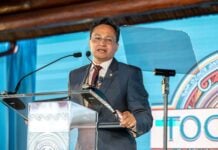
“Education has always been a cornerstone of our tribe’s vision for progress, sovereignty and innovation,” said Tunica-Biloxi Chairman Marshall Pierite. “Partnering with LSUA allows us to open more doors for our citizens and the community, ensuring that learning, leadership and cultural pride go hand in hand.”
The Tunica-Biloxi Tribe has long demonstrated a commitment to educational and community advancement through programming and partnerships. Through the combined efforts of the tribe and LSUA to expand access to research and workforce opportunities, the MOU will benefit students, tribal citizens and the entire Central Louisiana region.
The agreement also promises academic opportunities for traditional students through first generation scholarships, in addition to continuing education for adult learners. Faculty, staff and students are encouraged to partner with members of the tribe to advance collaborative efforts.
“We are honored to formalize this partnership with the Tunica-Biloxi Tribe of Louisiana,” said Paul Coreil, LSUA Chancellor . “This MOU reinforces LSUA’s commitment to collaborating and building educational pathways that support Louisiana’s diverse communities.”
The Tunica-Biloxi Tribe is committed to furthering educational opportunities for its tribal members. They partner with universities across the state to provide fee-free education opportunities to tribal members, including Northwestern University, Tulane University and the University of Louisiana at Lafayette. The Louisiana State University assists the tribe with research and repatriation efforts for its artifacts and ancestral remains.