


































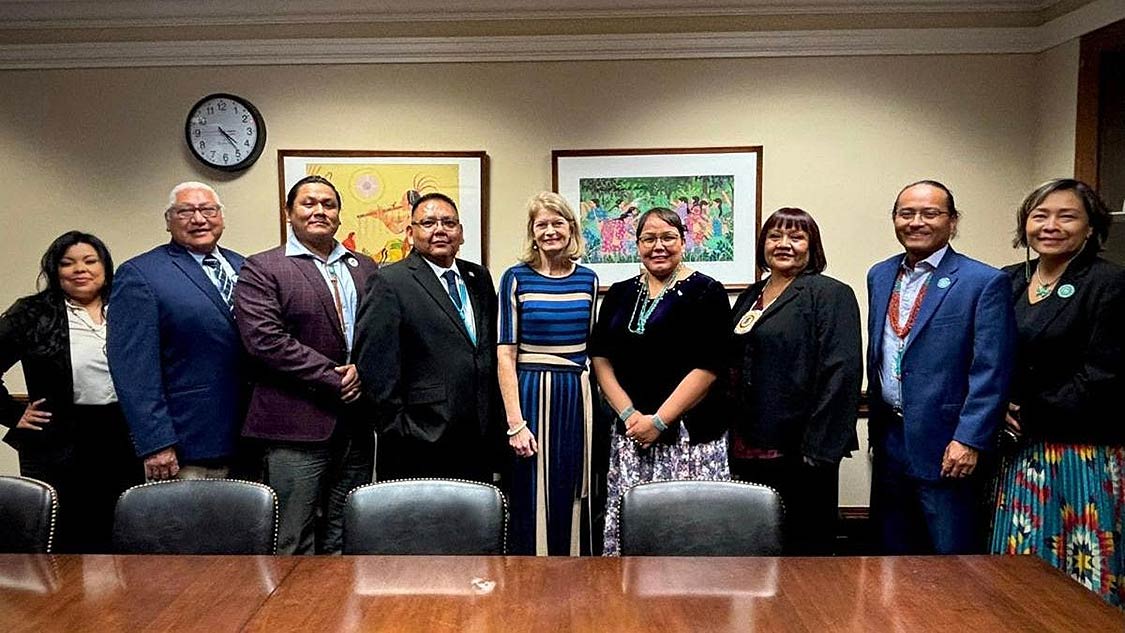
WASHINGTON, D.C. – Leaders from the Navajo Nation, Hopi Tribe, and San Juan Southern Paiute Tribe delivered unified testimony before the U.S. Senate Committee on Indian Affairs, urging congressional support for legislation to enact the Northern Arizona Indian Water Rights Settlement.
During the hearing, tribal leaders emphasized the importance of securing federal approval and funding to implement the settlement, which represents years of negotiations among tribal nations, the State of Arizona, water users, and the federal government. The legislation seeks to resolve longstanding water rights claims and provide long-term water security for communities across northern Arizona.
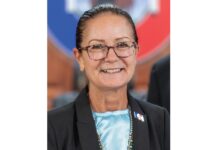
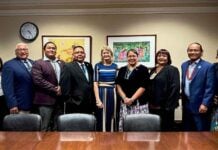
In meetings with congressional members prior to the hearing, Navajo Nation Speaker Crystalyne Curley noted that many Diné families still lack reliable access to clean water and that the settlement will help advance critical water infrastructure and economic development for future generations.
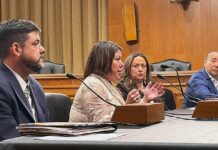
“This agreement represents decades of work and collaboration among tribes, the state, and the federal government,” said Speaker Curley in testimony before the committee. “It is essential to protecting our water rights and ensuring that our communities have the resources necessary to thrive.”
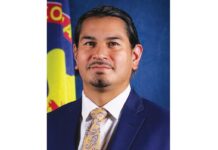
Navajo Nation President Buu Nygren provided testimony on behalf of the Navajo Nation, along with Hopi Tribal Chairman Lamar Keevama, San Juan Southern Paiute Tribal President Carlene Yellowhair, and Department of the Interior’s Principal Deputy Asst. Secretary for Policy, Management, and Budget Scott Cameron.
The settlement involves 17 parties, including the United States, the State of Arizona, the Hopi Tribe, and the San Juan Southern Paiute Tribe. Under the agreement, the Navajo Nation would receive allocations from the Colorado River Upper Basin, a portion of Lower Basin water, all groundwater underlying the Navajo Nation, surface water that flows to the Nation from the Little Colorado River, and wash water that reaches the Nation south of Hopi lands.
The legislation has bipartisan support in Congress and has been introduced in the Senate by U.S. Sen. Mark Kelly (D-AZ) in the House by U.S. Rep. Juan Ciscomani (R-AZ). Sen. Kelly also served as a witness during hearing.
The Navajo Nation Council continues to prioritize the protection of tribal water rights and the advancement of critical water infrastructure to serve communities throughout the Navajo Nation.
“This legislation is about providing certainty, sustainability, and opportunity for our people for generations to come,” said Speaker Curley.