

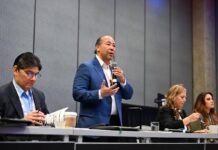






































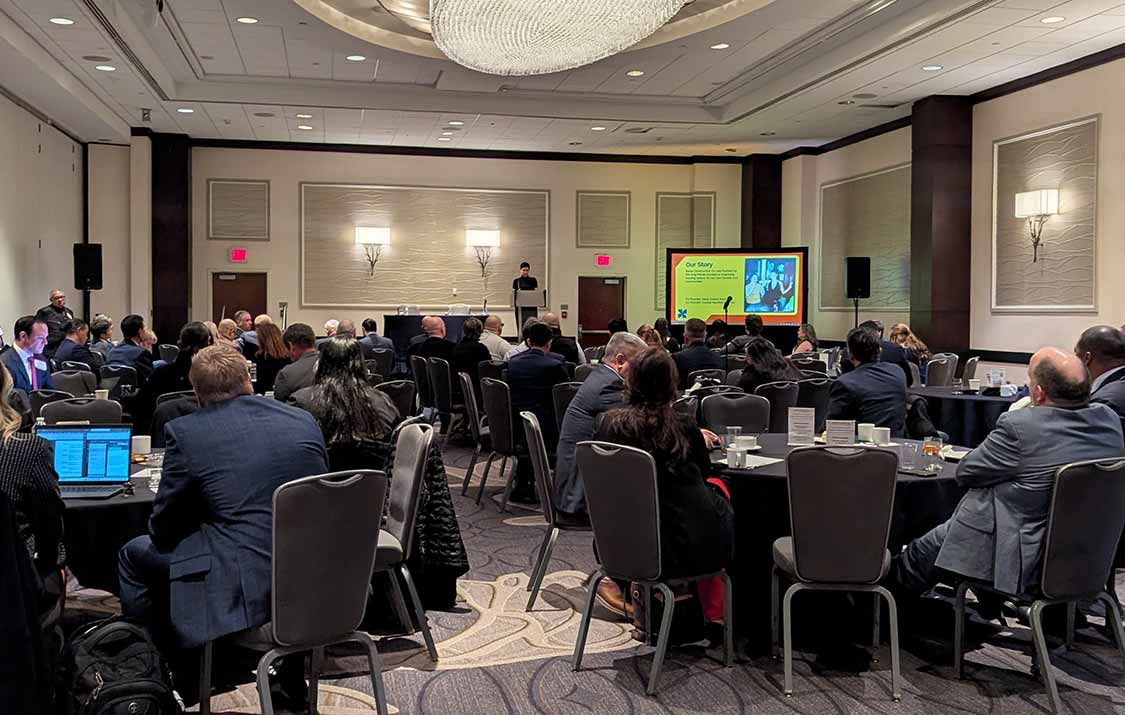
WASHINGTON, D.C. – Tunica-Biloxi Tribal leaders, senior federal officials, and private-sector partners convened in Washington for a government-to-government roundtable hosted by the Native American Coalition for Economic Prosperity (NACEP), advancing a national dialogue focused on economic sovereignty, infrastructure investment, and expanded partnerships across Indian Country.
The roundtable brought together tribal nations, federal agencies, and industry leaders to explore collaborative strategies to strengthen tribal economies, expand access to capital, and accelerate infrastructure development in tribal communities. The event featured remarks from federal leaders across the U.S. Department of the Interior, the Department of Health and Human Services, and the U.S. Department of Housing and Urban Development, along with tribal leaders and economic development experts.
Keynote remarks were delivered by Billy Kirkland, Assistant Secretary for Indian Affairs at the U.S. Department of the Interior, alongside remarks from Ken Bellmard, Deputy Assistant Secretary for Indian Affairs for Policy and Economic Development; U.S. Treasurer Brandon Beach; Mark Cruz, Senior Advisor to the Secretary of Health and Human Services; Kim Koval, Acting Commissioner of the Administration for Native Americans; Sebastian Jano, Senior Investment Advisor to the Department of Energy’s Office of Energy Dominance Financing; and Tonya Plummer, Director of the Office of Loan Guarantee in HUD’s Office of Native American Programs. The agenda also included presentations from private-sector partners and tribal enterprises on housing development, infrastructure financing, and tribal economic opportunity, as well as closing remarks from political strategist Roger Stone.
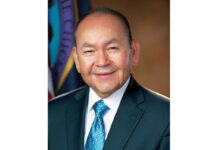
During opening remarks, NACEP President and Tunica-Biloxi Tribe of Louisiana Chairman Marshall Pierite emphasized that the coalition represents a growing movement to strengthen tribal economic sovereignty through collaboration between tribal nations, federal partners, and private industry.
“Today is not just another meeting – today is the continuation of a movement,” said Pierite. “Through NACEP, we are working to connect tribal nations with partners in industry, bring affordable capital to the table, and invest in infrastructure so Indian Country can lead in the next economic era not as spectators, but as builders and leaders. We’re taking our destiny into our own hands and bringing others along with us.”
The Tunica-Biloxi Tribe of Louisiana, which helped spearhead the formation of NACEP and continues to host national convenings in Washington, has positioned economic development as a foundation of its long-term strategy to strengthen tribal sovereignty and opportunity for its citizens.
The tribe’s economic development efforts span several sectors, including hospitality and gaming, federal contracting, infrastructure development, and emerging technology and energy investments. Through its enterprises and partnerships, the tribe continues to expand its economic footprint while creating jobs and generating revenue to support tribal programs and services. A cornerstone of this strategy is TBI Federal, a tribal entity that provides services and solutions to federal agencies. Through its government contracting operations, TBI Federal expands the tribe’s presence in federal markets, strengthens workforce capacity, and creates career pathways for tribal citizens.
Tribal leaders are also exploring partnerships with industry on data center development, energy infrastructure projects, and large-scale housing initiatives. These areas are increasingly viewed as strategic opportunities for tribal nations with available land, sovereign authority, and proximity to expanding infrastructure networks. Pierite noted that tribal nations are well positioned to contribute to the country’s evolving economy.
“Indian Country is not only helping rebuild America’s economy; we are helping lead the way,” he said.
Throughout the convening, tribal leaders and federal officials emphasized the importance of moving beyond policy discussions toward projects that generate economic opportunity and strengthen tribal self-determination. Participants discussed expanding public-private partnerships, increasing financing opportunities for tribal development, and ensuring tribal governments are positioned to participate in major infrastructure and economic initiatives shaping rural America.
Pierite encouraged participants to use the gathering as a catalyst for action, urging attendees to leave Washington with partnerships formed, projects underway, and a renewed commitment to economic sovereignty.
NACEP is a national coalition focused on advancing long-term economic growth across Indian Country. The organization works to align tribal governments, federal partners, and private-sector stakeholders around investment-ready projects and policy initiatives aimed at expanding capital access and supporting development in areas such as infrastructure, housing, workforce development, and emerging industries.
The coalition’s leadership includes Chairman Calvin Johnson of the Tonto Apache Tribe as Vice President, Chairperson Elizabeth Hutchins of Big Sandy Rancheria as Secretary, President Anthony Reider of the Flandreau Santee Sioux Tribe as Treasurer, and Chairman John Lowery of the Lumbee Tribe as Council Member-at-Large.