












































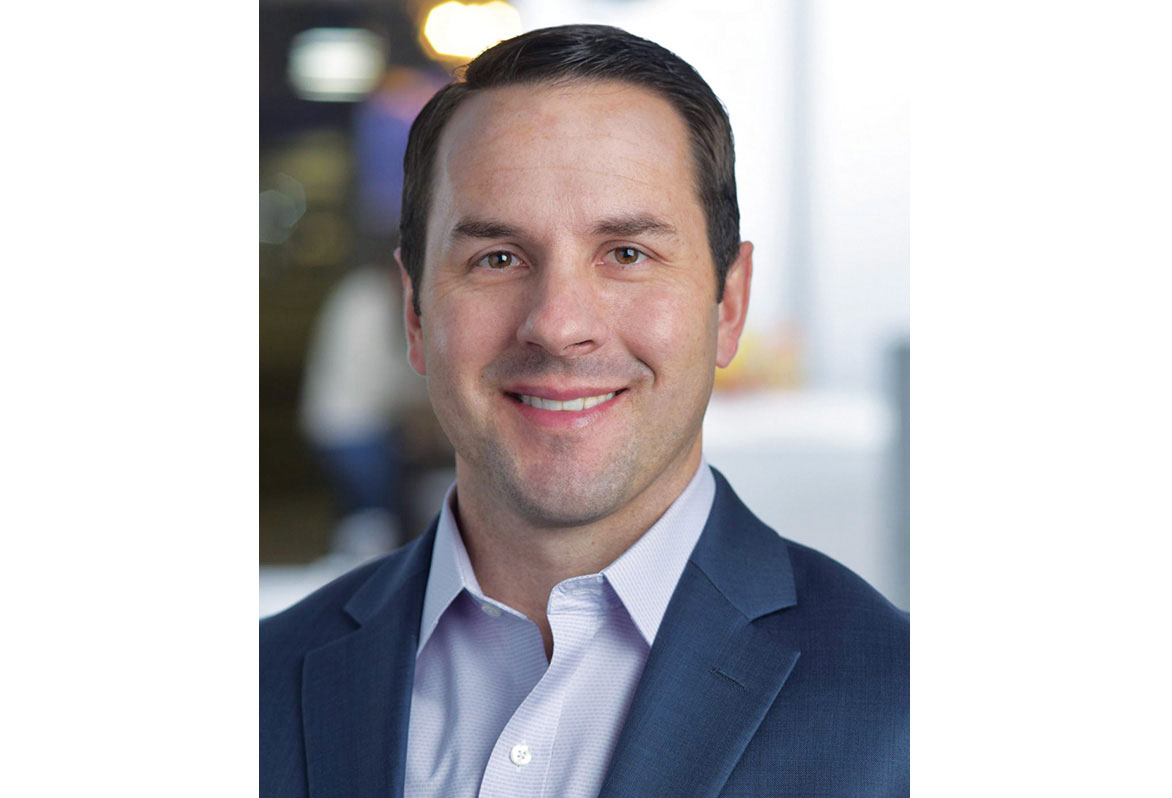
David Bretnitz is an experienced leader in the sports betting and gaming industry and a key member of Kambi, the home of premium sports betting solutions. With a background in business development, strategic partnerships, and market expansion, David plays a vital role in supporting Kambi’s growth across the Americas, working closely with tribal operators to build long-term partnerships.
How is Kambi leveraging data, personalization, and emerging technologies to help tribal casinos grow and retain a sportsbook audience?
Data sits at the center of everything we do at Kambi. Through our AI-powered trading, advanced risk management and global pricing capabilities, we help tribal operators deliver a sportsbook experience that is both competitive and tailored to their player behavior. With access to deep, real-time data across our global network, partners benefit from high-quality odds, advanced risk management and the ability to respond quickly to evolving betting trends.
Personalization is becoming increasingly important in driving engagement, particularly as player expectations continue to rise. By leveraging data insights, tribal operators can offer more relevant content, targeted promotions and bet suggestions that keep players engaged long term. Features such as Bet Builder and in-play betting are especially effective when supported by intelligent pricing and a strong user experience (UX).
For tribal operators, the ability to access these capabilities through a fully compliant, scalable sportsbook solution allows them to compete effectively while maintaining control over their brand and player relationships.
Where are the greatest opportunities for tribal operators to drive sustainable revenue and profitability in sports betting?
One of the biggest opportunities lies in maximizing engagement with existing casino customers. Tribal operators often have highly loyal on-property audiences, and integrating sports betting into the broader gaming ecosystem, including retail, online, and loyalty programs, can significantly increase lifetime value.
In our most recent Tribal Sports Betting Report, we saw live betting continues to be a major driver of sustainable revenue with our tribal partners, who saw a 15% increase in on-property live betting in 2025. Operators that offer a fast, reliable in-play experience with deep markets and strong pricing are best positioned to capture activity, especially for high-profile sporting events. This is where having access to Kambi’s global liquidity and AI-driven trading becomes critical.
Another key area is product differentiation with features such as Bet Builder, personalized offers and a strong mobile UX can help tribal operators compete with national brands without needing the same marketing spend. All of this allows operators to optimize costs, protect margins and scale at their own pace, which is essential for long-term profitability.
What should tribal operators realistically expect in terms of margins and long-term profitability from sports betting?
Sports betting should be viewed as a long-term strategic investment rather than a short-term revenue driver. Typical sportsbook margins are lower than other forms of gaming, but when executed correctly, sports betting can deliver consistent profitability while also driving incremental play across the wider casino floor.
The most successful operators focus on operational efficiency, strong risk management, and quality product offering. Access to high-quality pricing, automation and experienced trading teams can have a meaningful impact on hold percentage and overall performance. This is where working with a supplier that offers global scale and proven technology can help improve margins. We saw this with our partner, Wind Creek, who has seen improved margins each month since transitioning to the Kambi sportsbook in 2025, compared to the same time the previous year.
It’s also important to consider the broader value that sports betting brings. Increased visitation, higher loyalty engagement and cross-play into table games often make the sportsbook far more valuable than its standalone margin might suggest.
With the right strategy, tribal operators can build a sustainable sportsbook business that contributes both direct revenue and long-term customer growth.
What strategies are proving most effective for tribal operators in acquiring new sports betting customers?
The most effective strategies tend to focus on leveraging existing strengths rather than trying to outspend national operators. Tribal casinos often have strong local brands and loyal customer bases, which can be a major advantage when sports betting is fully integrated into the overall gaming experience.
On-property activation remains highly effective, particularly when combined with mobile betting. Encouraging players to sign up at the casino, linking accounts to loyalty programs and offering targeted promotions can drive acquisition at a lower cost than large-scale national campaigns.
Product quality also plays a significant role, as players are more likely to stay with an operator that offers reliable in-play betting, competitive odds, and engaging features such as Bet Builder. Retention ultimately reduces acquisition costs and improves profitability.
What role does loyalty integration play in long-term sportsbook success?
Loyalty integration is one of the most important factors in long-term sportsbook performance, particularly for tribal operators. Unlike many online-only brands, tribal casinos already have established loyalty ecosystems, and connecting sports betting to those programs can significantly increase engagement and retention.
When sportsbook activity contributes to tier status, rewards or on-property benefits, players have a stronger incentive to keep betting with the same operators. This not only improves retention, but also encourages cross-play across other property amenities. A great example of this is our partner Potawatomi, who saw increased reward member activity in 2024 between the ages of 21-34 after launching their sportsbook, including a 154% increase in reward members and a 199% increase in property visits.
From an operational perspective, loyalty integration also enables better use of data. Operators can understand player behavior across the entire property and deliver more targeted promotions, which improves marketing efficiency and helps protect margins.
A sportsbook that is fully integrated with loyalty, payments and the wider casino experience is far more likely to generate long-term value than one that operates in isolation.
Looking ahead over the next several years, how do you see the role of tribal operators evolving within the broader U.S. sports betting landscape?
Tribal operators are expected to remain a vital part of the U.S. sports betting landscape, particularly as more markets move toward models that recognize the importance of tribal gaming. In many states, tribes have unique advantages, including strong local relationships, established customer bases, and experience operating in regulated environments.
Over the next several years, success will likely depend on flexibility. Operators that can adapt their technology, choose the right level of control and differentiate their product will be best positioned to compete. This is why we are seeing growing interest in modular and open sportsbook solutions that allow partners to take what they need while maintaining long-term independence.
We also expect continued growth in mobile betting, deeper integration between online and on-property play, and increased use of data to personalize the player experience.
For tribal operators, the opportunity is not just to participate in sports betting, but to build sustainable, profitable businesses that strengthen the overall casino offering and reinforce their position within the wider gaming industry.