




































by David Vialpando
Casinos today offer a wide variety of amenities extending far beyond the gaming floor. Casino event centers, auditoriums, and conference facilities constantly host events and gatherings as diverse as retirement and holiday parties, industry and education conferences, food and beverage bazaars, music acts and theater performances, and celebrations of all shapes and sizes. The one common denominator all these events have in common is the safety of those attending these events.
On February 20, 2003, 100 people were killed and hundreds injured at the Station Nightclub in West Warwick, RI, when pyrotechnics malfunctioned during a performance by the band Great White. Dense smoke, panic, and blocked exits led to the tragic deaths and massive injuries. The 2022 fire at the Grand Diamond City casino in Cambodia, resulting in 19 deaths, and the 1980 MGM Grand Casino fire in Las Vegas, resulting in 85 deaths, are reminders that tragedy can strike our industry anywhere at any time.
The event safety planning process begins by identifying the participants vital to ensuring a safe event. The stakeholders involved in this process should include the event organizer; casino security, management, marketing, risk management, and facilities; the local fire department; Tribal Gaming Regulatory Agency (TGRA); and third-party security company (as appropriate).
The general areas of concern in event safety planning include crowd management and capacity control, a venue safety inspection, emergency preparedness and response planning, alcohol management and responsible service, security staffing, communication and training, and vendor and exhibitor compliance.
The event safety planning process begins with identifying the event location on casino property and working with the event organizer, casino marketing and/or management, and casino security to develop a scope and layout of the event. Occupancy limits for the event venue will be determined by the layout, including the number and configuration of tables and chairs, vendor booths and displays, temporary stage and other obstructions, traffic routes and exits. Beware of relying on posted occupancy limits in enclosed spaces crowded with tables, buffet equipment, entertainment areas and displays. Maximum occupancy is reduced as tables, displays, booths, and other obstacles fill available space. This initial meeting is also a good time to review prohibited or stringently controlled special effects, like fog machines, pyrotechnics, and open flame. If these types of special effects are allowed, casino security may require inspection by a fire marshal before use.
Emergency exits and evacuation routes should be determined and inspections undertaken before and during the event to ensure the following:
- All exits are unlocked, unobstructed (inside and outside), and clearly marked
- Exit signs are illuminated and functional
- Aisles and walkways are maintained at required widths (no storage, displays, or cords blocking flow)
- Evacuation maps are posted or available for staff and attendees
- Event staff are trained on evacuation procedures and assigned assembly points (for nighttime events, test evacuation routes in total darkness to ensure ease of use)
Fire protection equipment and resources should be inspected prior to the event:
- Fire extinguishers present, fully charged, and accessible
- Sprinkler heads unobstructed (minimum clearance maintained)
- Fire alarm pull stations visible and accessible
- Emergency lighting functioning
- Confirm casino’s fire suppression systems are operational
- Ensure fire department is fully briefed on event details and layout
Prior to the event, a review of participating staff training and communication should emphasize the following:
- All event staff briefed on emergency procedures and authorized admittance criteria
- Medical emergencies, including on-site first aid and EMS access
- Fire prevention and evacuation procedures
- Active threat scenarios, such as violent incidents or suspicious packages
- Severe weather or utility failures
- Staffing levels proportional to event size and risk profile
- Specialized training in de-escalation, cultural sensitivity, and emergency response
- Staff know fire extinguisher locations and how to use them (PASS method)
- Communication system established (radios, cell groups, emergency contact list) to include protocols between casino security, event staff, and law enforcement
- Use of visible security presence to deter misconduct while maintaining a welcoming atmosphere
- Fire watch assigned if required
The event safety inspection should include a review of the following:
- All electrical equipment inspected for frayed cords or damage
- Power strips UL-listed and not overloaded
- Cords secured to avoid tripping hazards (no pinching under rugs or doors)
- High-demand equipment connected to proper circuits
- Temporary wiring approved by casino security or facilities
- AV equipment set up by qualified personnel
- Temporary stages, lighting rigs, or truss systems installed by certified technicians
The following items should be considered in reviewing vendor and exhibitor stations:
- Each booth/setup maintains required clearance from exits and sprinklers
- No open flames unless approved and properly controlled
- Cooking or warming equipment complies with fire code (no household appliances)
- Propane, fuel, or flammable materials stored and handled correctly
- Decorations flame-retardant and certified as such and placed in locations approved by casino security or fire department personnel
During the event, casino security should periodically check for the following:
- Trash and combustibles removed regularly
- Storage kept away from exits, electrical panels, and fire equipment
- No materials stacked too high or too close to ceilings
- Service corridors kept clear
- Cords, equipment, and displays remain safely arranged
- No unauthorized heating or cooking devices are in use
- Capacity limits not exceeded
- Real-time communication between casino surveillance operators and casino security
- Any hazard immediately reported and corrected
Alcoholic beverage management and responsible service should include enforcing responsible beverage service policies, training staff to recognize signs of intoxication, casino security to handle impaired guests discreetly and per casino policy, and providing transportation options or partnerships to discourage impaired driving.
The role of the TGRA in event safety planning and execution is to ensure regulatory and casino policy and procedure compliance. TGRA staff, many of whom possess backgrounds in emergency response and law enforcement, can serve as an extra set of eyes in the identification of potential risks and threats to safety.
At the conclusion of each event, the stakeholders identified previously should conduct a debriefing with casino security, risk management, operations, marketing, TGRA, and fire department/emergency responders to discuss what went right and what could be improved; review incident reports, crowd flow issues, and response effectiveness; and update safety plans and checklists based on lessons learned
Proactive event safety planning not only minimizes risk and enhances safety, but also reinforces the overall success and reputation of casino-hosted events. As the old adage goes, an ounce of prevention is worth a pound of cure.
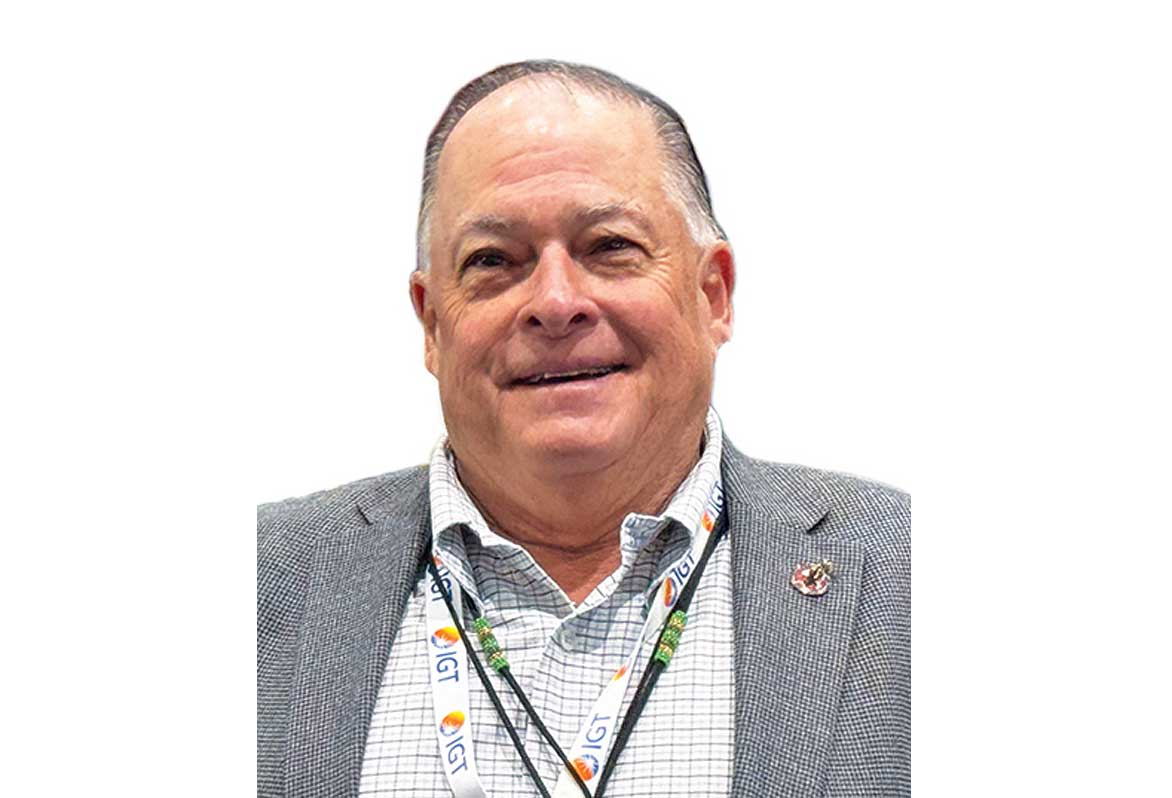
David Vialpando, MBA is Executive Director of the Pala Gaming Commission, Vice-Chairman of the Tribal Gaming Protection Network and author of the book, Fundamentals of Tribal Casino Gaming Regulation – A Primer for Regulators. He can be reached by calling (760) 201-7088 or email [email protected].