








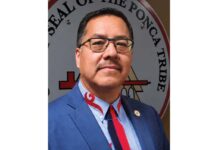

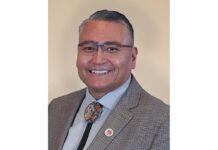





















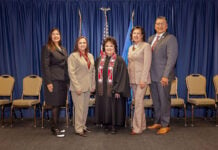












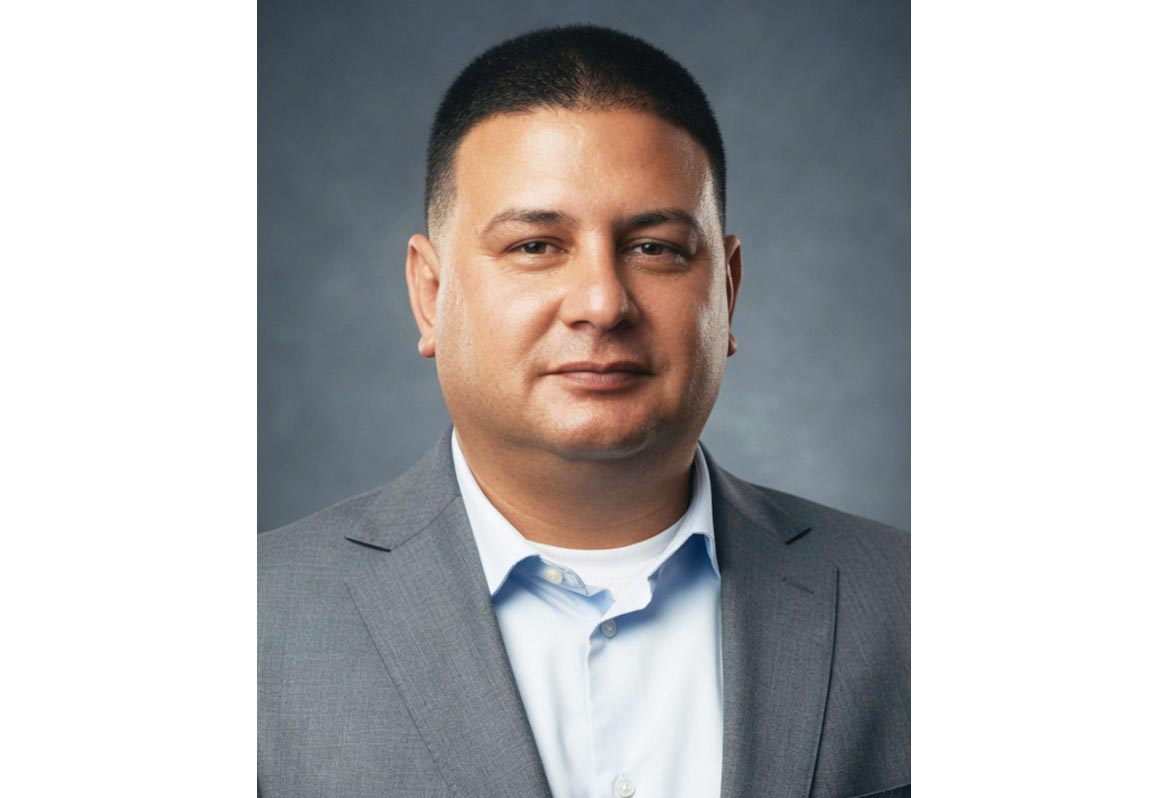
We asked tribal leaders to share how they are advancing their tribe’s priorities through gaming, embracing innovation across their enterprises, and developing the next generation of leadership to ensure long-term stability and growth. Here is what Chairperson Andy Mejia had to say…
Andy Mejia, Chairperson
Lytton Rancheria of California
San Pablo Lytton Casino – San Pablo, CA
sanpablolytton.com / lyttonrancheria.com
PRIORITIES: One of the things I am most proud of is that our tribe is living proof of what can happen when tribal leaders stay committed to a long-term vision. My mother, former Chairperson Margie Mejia, spent years fighting to rebuild the Lytton Rancheria of California and create opportunities for future generations. She often spoke about creating a permanent homeland for our people, and today tribal members are living on tribal land in a thriving community that once existed only as a vision.
Our gaming enterprise has made that possible. The Indian Gaming Regulatory Act gave tribes the opportunity to achieve economic self-sufficiency and strengthen tribal governments. For the Lytton Rancheria of California, gaming has never been an end in and of itself. It has been a tool for self-determination. Gaming revenue has allowed us to invest in housing, education, healthcare, cultural preservation, and economic opportunities. It has also helped support healthcare advocacy, water sustainability initiatives, and the development of a 146-home tribal community built without state or federal grant funding. Our goal is simple: leave a stronger tribe for the next generation than the one we inherited.
INNOVATION: Innovation is critical in today’s world, and the gaming industry is no exception. Our industry must continue to evolve as customer expectations change, technology transforms how we do business, and new opportunities emerge. Whether it is enhancing the guest experience, improving operational efficiency, or evaluating developments such as sports betting and online gaming, innovation guides our decisions and keeps us focused on the future.
Innovation is also about recognizing the broader impact of tribal gaming. The San Pablo Lytton Casino has become a major economic driver for the City of San Pablo, helping support essential city services, public safety, jobs, and economic activity throughout the region. We take pride in being a strong community partner while creating opportunities for tribal members and guests. That commitment extends beyond gaming through support for local non-profits, educational initiatives, arts and cultural programs, and other efforts that strengthen the communities we serve.
LEADERSHIP DEVELOPMENT: Leadership begins with understanding that we are temporary stewards of something larger than ourselves. I learned that lesson from my mother, former Chairperson Margie Mejia. She never stopped believing in what the Lytton Rancheria of California could become, even when others doubted it. Her vision and determination helped create opportunities for tribal members that previous generations could only hope for, and I view it as my responsibility to build on the foundation she worked so hard to create.
Leadership also requires looking beyond today. Indian Country faces a wide range of challenges and opportunities, from protecting water resources in the West to emerging technologies such as artificial intelligence and the continued evolution of the gaming industry. Effective leadership means preparing for change while remaining grounded in the values that have guided our people for generations. It also means maintaining strong government-to-government relationships at the local, state, and federal levels and ensuring that tribes remain constructive partners in their communities.
That same long-term perspective applies to tribal gaming. Tribes have always competed, and competition is healthy. What matters is preserving the integrity of the Indian Gaming Regulatory Act and the principles that have guided tribal gaming for nearly four decades. Those principles recognize tribal sovereignty, respect tribal history, and honor tribes’ connection to their ancestral lands.
As leaders, we have an obligation to think beyond immediate opportunities and consider the legacy we leave behind. Whether we are managing natural resources, embracing new technologies, or making decisions affecting future generations, our responsibility is the same: to protect what has been entrusted to us and leave our tribe stronger than we found it.