












































by David Vialpando
Tribal casinos and tribal gaming regulatory agencies (TGRAs) reflect the demographic and generational diversity found in our communities today. This diversity represents opportunities for innovation and ingenuity, as well as challenges for organization managers less than proficient in recognizing the general characteristics and priorities of the wide range of generations represented in the workforce and likely different from the generation they represent.
According to a study commissioned by the American Gaming Association (AGA), the casino gaming industry is more diverse than other segments of the hospitality industry, as well as the average of other industries in the nation. Demographic diversity factors include culture, ethnicity, gender, socio-economic status, and others. Understanding the general characteristics of the various generations represented in the workforce enables executives, managers, and supervisors to implement organizational strategies that help the employee feel valued and emphasize the three main personality assets every employee needs to be successful and productive in the workplace – capability, significance, and influence.
Generations Represented in Casinos and TGRAs Today:
Traditionalists (Born 1928-1945)
Traditionalists value loyalty, hard work, and respect for authority. They possess a strong sense of duty and prefer face-to-face communication. They seek stability in the workplace and may exhibit resistance to change. They tend to be loyal to the concept of chain-of-command and organizational hierarchy. While there aren’t many traditionalists left in the workplace today, those who remain tend to occupy executive and senior management positions.
Baby Boomers (Born 1946-1964)
Baby Boomers possess a strong work ethic and often prioritize teamwork and interpersonal relationships. They are driven by achievement and seek to make a meaningful impact through their work. Boomers prefer in-person collaboration and are more likely to value job security and benefits over flexibility and experimentation. Boomers frequently remain with the same employer for many years and have fewer employers over a lifetime.
Generation X (Born 1965-1980)
Gen Xers are often seen as independent and resourceful. They value work-life balance and are comfortable with technology. Gen Xers tend to be pragmatic, preferring flexibility and a results-oriented approach over rigid structures. Gen Xers excel in work environments seen as free-form and that emphasize innovation, adaptive structures, and agile decision-making.
Millennials (Born 1981-1996)
Millennials are also referred to as Generation Y and are typically tech-savvy and value diversity, inclusivity, and purpose in their work. They seek feedback and opportunities for personal growth, desiring to make a difference in the workplace. Millennials are used to instantaneous results and ready access to desired information. Some refer to this as instant gratification. Millennials are likely to favor collaborative environments and may prioritize experiences over traditional benefits. The fast-paced lifestyle of some millennials may preclude the development of long-term, deep meaningful relationships with others.
Generation Z (Born 1997-2012)
Gen Z are often referred to as digital natives who value individuality and social responsibility. They are highly aware of global issues and often prioritize mental health and well-being over professional success and accomplishments at work. Gen Z tend to prefer flexible work arrangements and value transparency and authenticity in leadership.
Representation of Generations in the Workforce
Millennials 35%
Gen X 33%
Baby Boomers 25%
Gen Z 5%
Traditionalists 2%
Generational Difference in the Workplace:
Communication Preferences – Traditionalists and Boomers frequently prefer face-to-face or telephone conversations, while Gen X, Millennials, and Gen Z are more comfortable with digital communication platforms like email, messaging apps, video calls and virtual meetings.
Work-Life Balance – Younger generations prioritize work-life balance more than older generations, who may have a more traditional view of work as a central life component. This difference in perspective can result in varying expectations around availability, dedication to work tasks, and office hours.
Comfort with Technology – Millennials and Gen Z are often comfortable and proficient with technology. Traditionalists and Baby Boomers frequently prefer traditional tools and methods (i.e., handwritten notetaking vs. tablet entries).
Feedback and Recognition – Millennials and Gen Z thrive on continuous feedback and recognition, whereas Boomers and Traditionalists may be more accustomed to annual performance reviews and occasional special recognition.
Motivation and Purpose – Younger generations are often motivated by purpose and the desire to make a difference, while older generations may be more focused on financial stability and job security.
The characteristic difference between generations within the casino and TGRA environment can create the potential for conflict, confusion, and misunderstanding, particularly when the older generations’ work ethic and values of managers clash with the younger generations’ emphasis on professional purpose while maintaining a work-life balance.
Managers and supervisors who recognize their employees as the human capital responsible for translating organizational goals into tangible results invest time and effort in understanding the dynamics that motivate the individual and the strategies necessary to reinforce capability, significance, and influence in their employees. One such strategy is the expression of empathy.
Empathy is defined as the ability to understand and share the feelings of others. Empathy allows managers to see beyond generational stereotypes and appreciate the values that motivate employees. Empathy enables us to keep our personal biases in check and see life in the workplace through the perspective of others.
By employing workplace strategies that include active listening, exploring flexible work schedules and communication processes, and establishing mentorship programs partnering experienced employees with less experienced employees, the casino or TGRA’s human capital will be optimized for maximum effectiveness. By committing to a process of continuous learning regarding generational awareness and emotional intelligence, the organization becomes a place where employees feel valued and heard.
The results of recognizing, understanding, and acknowledging generational differences will pay dividends in the form of improved communication, enhanced collaboration, greater employee engagement, and improved conflict resolution. Generational differences in the workplace are not barriers to success, but opportunities for innovation, inclusion, and growth.
The key to leveraging this diversity lies in empathetic management. Managers who take the time to understand their employees’ perspectives can build workplaces where all generations thrive, collaborate, and feel valued. In doing so, organizations not only bridge divides, but also create stronger, more resilient casino and TGRA cultures. Employees are an organization’s greatest asset and the reason the tribal gaming industry is as successful and prosperous for tribal communities as it is. Investing in human capital by integrating empathy is the most effective strategy for ensuring continued success.
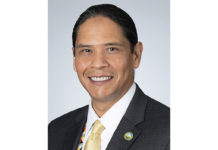
David Vialpando is Executive Director of the Pala Gaming Commission and Vice-Chairman of Tribal Gaming Protection Network. He can be reached by calling (760) 510-4559 or email [email protected].