








































by Jeannie Hovland
Every September National Preparedness Month reminds us to be prepared for disasters, emergencies and threats. I would like to take this opportunity to share the National Indian Gaming Commission’s (NIGC) ongoing and planned efforts to aid tribes moving from risk to resilience by strengthening their preparedness across all aspects of the tribal gaming industry.
Environmental Public Health and Safety Under IGRA
The Indian Gaming Regulatory Act (IGRA) requires tribes operate their gaming operations in a manner that adequately protects the environment, public health, and safety (EPHS). Under NIGC’s EPHS Interpretive Rule, it is the Commission’s view section 2710 (b)(2) requires tribes apply, adopt, or issue standards designed to ensure gaming operations on Indian lands are constructed, operated, and maintained in a manner that adequately protects the environment, the public health, and safety. This means tribes have identified and enforce EPHS codes, rules, and laws applicable to each gaming facility. At a minimum this includes standards that address emergency preparedness, food and water safety, construction and maintenance, sanitation, and hazardous and other materials safety.
NIGC’s role in EPHS is limited and discrete, with the Commission serving in an oversight capacity. However, if NIGC determines a condition poses imminent jeopardy to the environment, public health, or safety, the Commission may intervene. For EPHS concerns where there is no imminent jeopardy, NIGC will notify tribes and their gaming regulators and provide EPHS training and technical assistance.
To uphold statutory and regulatory EPHS responsibilities and to carry out our agency strategic plan that prioritizes “preparedness,” we reestablished the EPHS program in 2022 and hired Eddie Ilko as the Safety and Occupational Health Manager. He oversees the agency EPHS program and is doing an outstanding job working with tribes and tribal gaming regulators on preparedness and response plans.
In 2022, NIGC created a free online emergency preparedness and response plan model template. This 51-page template provides guidance and example plans to prepare for natural and manmade disasters, pandemics, active threats, and more. With the complex jurisdictional landscape in Indian Country, having an updated emergency response plan is vital to avoid delays in emergency response. Tribes can work with NIGC to review their emergency preparedness plan and request training on specific topics. For areas outside NIGC’s jurisdiction or expertise, we will help connect tribes to state and federal agencies with that expertise and/or jurisdiction. We encourage gaming operations to review, update and train employees annually on their emergency preparedness and response plan, and always include local first responders.
Combating Active Threats
Active threats, which include active shooters, remain a concern. In 2023, NIGC coordinated with Louisiana State University’s federally funded program under the National Center for Biomedical Research and Training (NCBRT), to provide training for tribal gaming, hospitality, first responders, and community members through the Surviving an Active Threat: Run. Hide. Fight. response paradigm course. Tribes can choose the four- or eight-hour training module designed for non-traditional first responders. Because active threat incidents can occur anywhere at any time, participants are encouraged to apply principles from this course to plans and procedures in their workplaces. This course is accredited through the Department of Homeland Security and those who complete the course can receive Continuing Education Units (CEUs) and a certificate of training. It’s vital that casino operations and regulators work closely with first responders to assess their active threat plans. These plans should include, at a minimum, annual joint exercises with first responders to ensure coordinate and effective response in the event of an emergency.
Fentanyl Exposure and Response
NIGC is currently updating its online training course catalog and emergency preparedness template to include fentanyl exposure and response. In partnership with the Indian Health Service (IHS), the Agency hosted a virtual training on fentanyl exposure and response in tribal gaming facilities. This training includes recognizing an opioid overdose and administering Naloxone. We encourage all gaming employees to receive this training, and invite tribal leaders to reach out to NIGC to help access this vital resource, as some tribes have already done.
For example, the Blackfeet Nation of Montana has a very robust community wide fentanyl exposure and response plan where all tribally funded and run programs in their community must receive opioid education training and know how to administer Naloxone. To protect public health and safety, they also use their tribal housing authority to ensure proper decontamination and remediation of facilities exposed to fentanyl. They serve as an example for all communities and have worked with other tribes to build their community fentanyl exposure and response plans.
Human Trafficking
Human Trafficking is a multibillion global criminal enterprise operating within our borders. According to United Nations data, forced labor and sex trafficking combined total an estimated $236 billion in illegal profits annually, with 27 million people trafficked – a 25% increase over 2019. Not all human trafficking instances are reported, and these numbers are likely much higher. For several years NIGC has actively engaged with tribes, federal agencies, and organizations that focus on combating human trafficking. Our commitment to helping to stop human trafficking remains steadfast and strong.
Of note, in 2021 NIGC began a multiagency collaboration with the Department of Homeland Security’s Blue Campaign, Bureau of Indian Affairs, Office of Justice Services, and the Department of the Treasury to develop training and resources specific to combating human trafficking in the tribal gaming and hospitality industries. To date this multi-agency collaboration has reached more than 2,000 individuals through our training and panel discussions. Together our agencies also developed an online toolkit titled, Human Trafficking Response Guide for the Tribal Gaming and Hospitality Industry. In January, NIGC and DHS Blue Campaign published an online training video for combating human trafficking in the tribal gaming and hospitality industries. These resources and more are available at no cost and can be found on NIGC’s website at: nigc.gov/commission/human-trafficking-resources.
Cybersecurity
Cybersecurity continues to be at the forefront of the Agency’s focus. As technology continues to evolve and especially at a rapid pace in the gaming industry, preparedness is key for organizations to adapt swiftly to effectively manage security risks without impeding the benefits that come from technological advancements. Cybersecurity is a team sport and no one agency or organization can do it alone. It requires a collaborative approach with the community to combat these threats and attacks we are facing every day.
The NIGC Technical Regulatory Assessments and Compliance Services (TRACS), formerly known as the IT Audit team, remains focused on delivering core services. Services include onsite and virtual cybersecurity training and support, IT vulnerability assessments (ITVAs), IT control reviews, and timely Technology Alerts and Warnings – all accessible at nigc.gov.
In Fiscal Year 2025 we marked a significant milestone by appointing the agency’s first Chief Technology Officer (CTO) which includes serving as NIGC’s Artificial Intelligence (AI) Officer. The CTO will play a vital role in shaping the agency’s approach to AI – offering guidance and training not only within the agency, but also in support of tribal communities.
NIGC will host its annual multi-session virtual cybersecurity symposium this October. In 2026, TRACS and federal partners from across the cybersecurity space will offer an in-person Regulating Gaming Technology workshop. More details on these upcoming events will be posted on nigc.gov.
Preparing For a Secure Future
Tribes continue to lead by example when it comes to preparedness. Through tribal gaming revenues, many have invested in emergency response efforts that protect not only their communities and patrons, but surrounding communities as well.
This Preparedness Month, let’s continue to prepare, protect, and uplift our communities. Preparedness reflects our responsibility to our communities today and a commitment to our future generations to leave a safer place for them to live. Thank you to our first responders, emergency managers, and community leaders who stand ready to protect and serve.
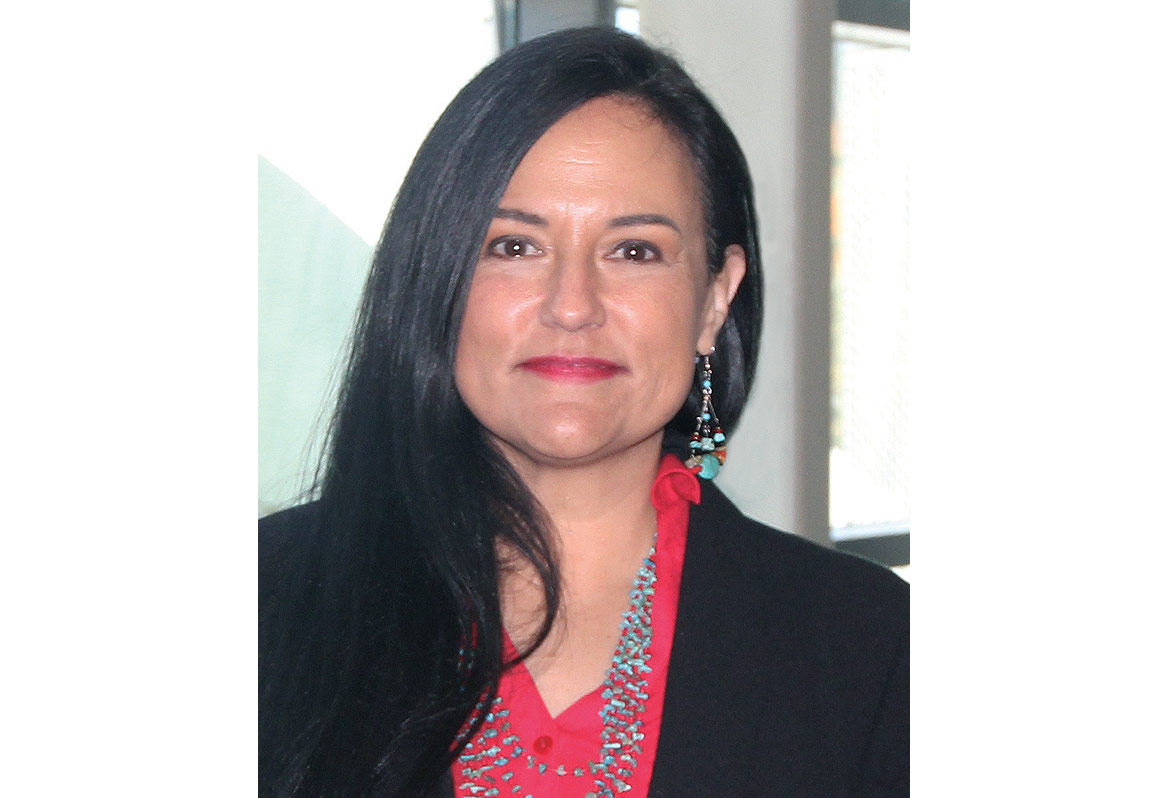
Jeannie Hovland is Vice Chair of the National Indian Gaming Commission. She can be reached by calling (202) 632-7003 or [email protected].